Kenya prepares for potential resurgence of Gen Z-led protests nationwide
June 24, 2026 • Al Jazeera
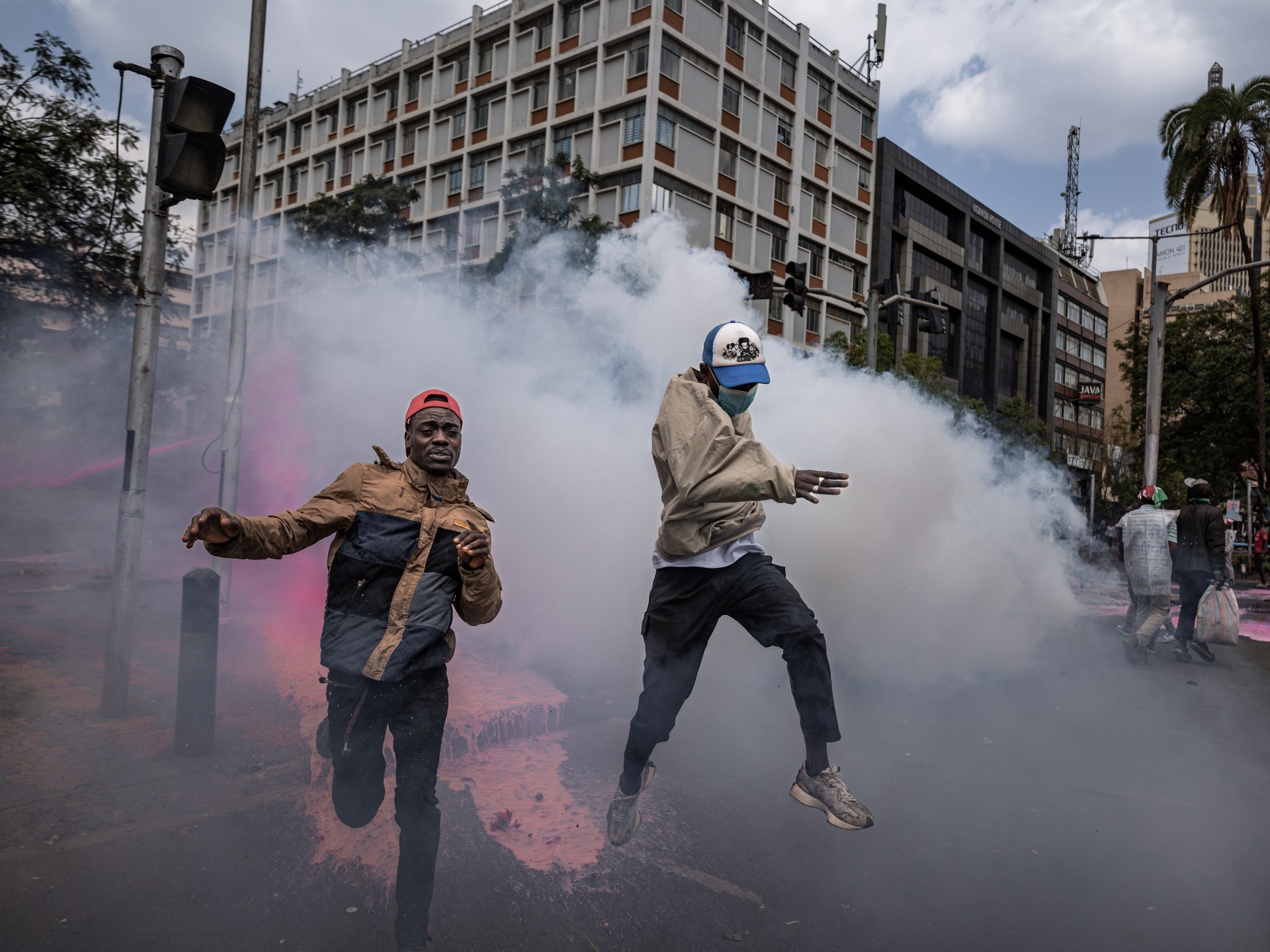
Thousands of people in Kenya are preparing to take part in demonstrations on Thursday as the country marks the second anniversary of the Gen Z protests. The event commemorates the lives of more than 120 individuals who lost their lives during the movement, which began two years ago. Initially sparked by a tax bill in 2024, the protests were driven by concerns over rising costs of living, unemployment, and government corruption.
The protests, led by young people known as “Gen Z,” aimed to push President William Ruto out of office. Although their demands were not met, the government was forced to revisit the tax bill. However, experts say that the underlying issues, including economic inequality, remain unresolved.
Last year’s commemoration event turned violent when security forces cracked down on protesters, resulting in over 60 deaths and more than 500 injuries. This year, President Ruto’s government has warned against protests, ordering a heavy police presence. Demonstrations are expected to take place in major cities across the country, including Nairobi.
The Gen Z protests have been characterized by their decentralized structure, often organized through social media rather than traditional activists and parties. The movement has gained momentum globally, with similar protests occurring in countries such as Nepal, Bangladesh, and Sri Lanka. Kenya’s Gen Z mobilization is considered one of the most impactful and widely resonant protest movements.
Protests began in 2024 in response to a finance bill aimed at raising $2.7 billion in new tax revenue. Demonstrators stormed parliament and burned part of it after politicians passed the bill on June 25, 2024. President Ruto eventually returned the bill to parliament for further amendments, following pressure from protesters.
The protests have been driven by concerns over government accountability and police brutality, particularly after blogger Albert Ojwang died in police custody. The crackdown left more than 60 people dead and over 500 injured, according to rights groups and media reports.
Source: Al Jazeera