Bill Gates withdraws from Indian AI summit due to Epstein connection
February 19, 2026 • Al Jazeera
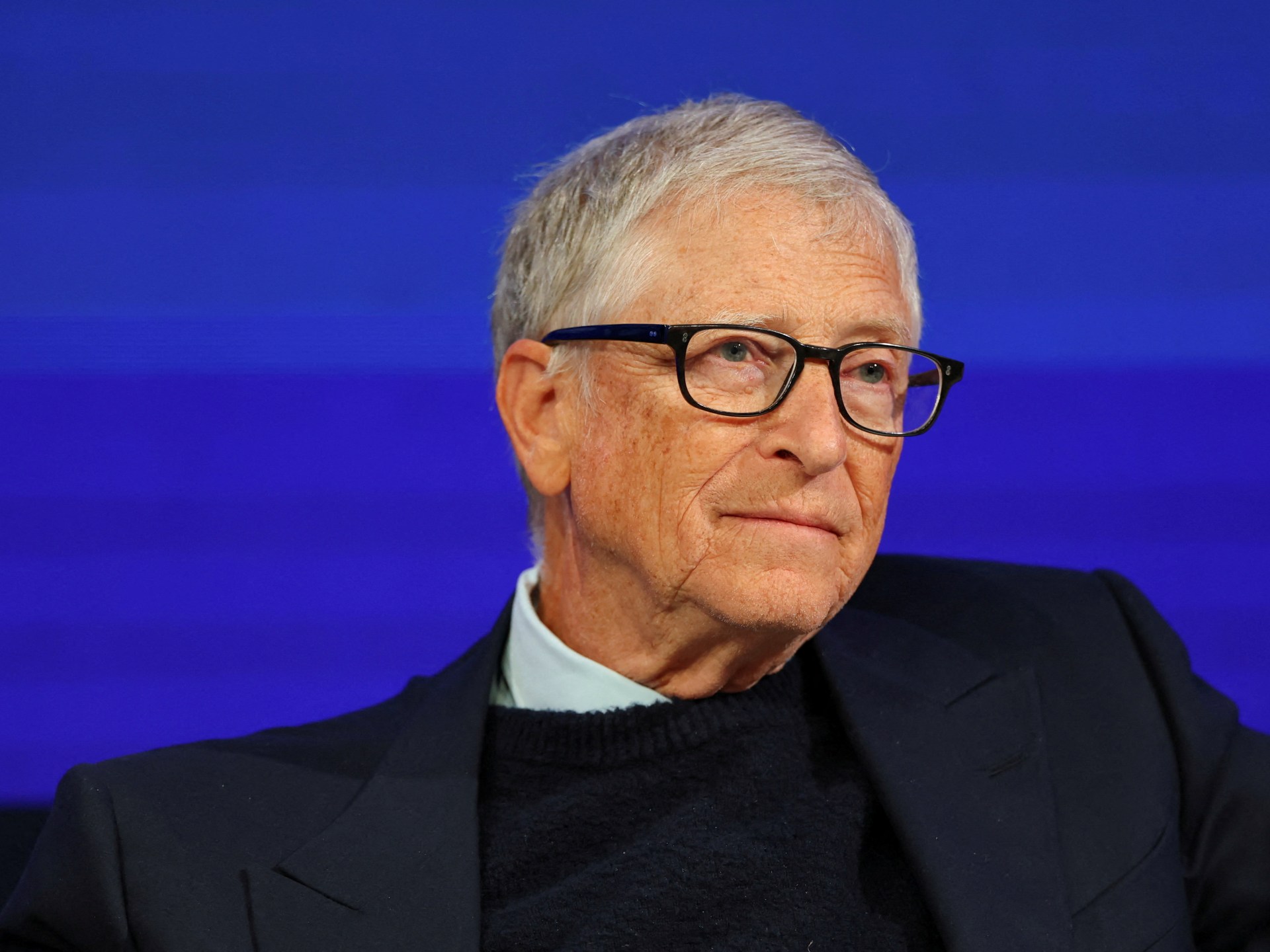
Microsoft founder Bill Gates has cancelled his keynote speech at India’s flagship AI summit just hours before he was due to take the stage. The decision was made by the Gates Foundation, which stated that it wanted to ensure the focus remained on the AI Summit’s key priorities.
The five-day India AI Impact Summit 2026 was intended to showcase India’s ambitions in the artificial intelligence sector, with the country expecting to attract over $200 billion in investment over the next two years. The summit had drawn high-profile attendees, including French President Emmanuel Macron and Brazilian President Luiz Inacio Lula da Silva.
However, controversy has surrounded Gates’ planned participation in the event. Emails featuring his name were released in the Epstein files in late January, which raised questions about whether his presence was appropriate. Despite this, Gates was initially scheduled to deliver a short speech highlighting the opportunities and risks posed by artificial intelligence.
On Tuesday, the Gates Foundation’s India office announced that Gates would attend the summit and deliver his keynote as scheduled. However, on Thursday, hours before the scheduled speech, the foundation released a statement saying that Gates would not be delivering his address. Instead, Ankur Vora, president of the Gates Foundation’s Africa and India offices, would deliver the speech.
The controversy surrounding Gates’ planned participation comes close on the heels of a series of disclosures in the Epstein files that have forced the Indian government to respond to criticism. The Indian Prime Minister’s visit to Israel in 2017 had already drawn criticism from opposition figures, and the recent revelations have added to the scrutiny surrounding Gates’ involvement.
The Indian government has not directly addressed the controversy surrounding Gates’ withdrawal, with officials declining to comment on the issue. Despite this, the summit has been dogged by other incidents, including an incident in which an Indian university tried to pass off a Chinese-made robotic dog as its own innovation.
Source: Al Jazeera