US Pro-Israel Groups Criticize Iran Nuclear Deal Amid Trump Administration
June 18, 2026 • Al Jazeera
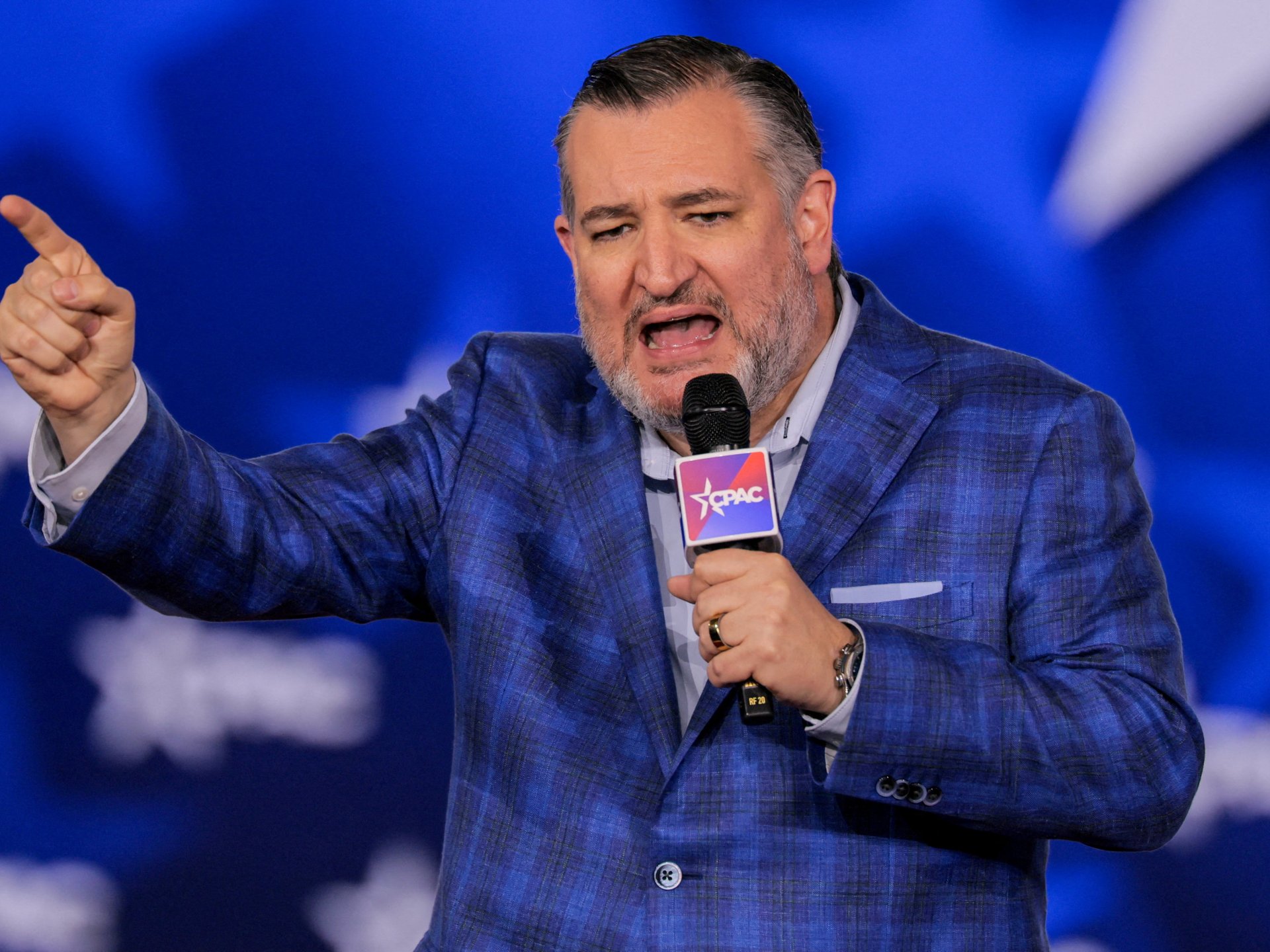
Washington, DC – A recent shift in public opinion on the Israeli-Palestinian conflict has led to a change in stance among some politicians. Senator Roger Marshall, a Republican senator, acknowledged Iran’s right to self-defense during an interview with CNN. This statement is seen as a sign of a broader shift in attitudes towards diplomacy with Tehran.
In response to President Donald Trump’s agreement on a memorandum of understanding (MoU) with Iran, some Republicans have begun to soften their hawkish stance. However, pro-Israel groups and politicians are mobilizing against the deal, potentially leading to a clash with the White House.
Matthew Duss, executive vice president at the Center for International Policy, noted that Trump’s base is often receptive to his messages, even if they contradict previous positions. Despite this, many pro-Israel groups remain opposed to the memorandum.
The terms of the MoU have been gradually released since last Thursday, when Trump first announced the agreement. The 14-point document outlines a regional ceasefire and has been met with criticism from some Republicans. Senator Lindsey Graham, a vocal supporter of the war, stated that the memorandum will be beneficial for the US.
In contrast to the 2015 nuclear deal signed by former President Barack Obama, this MoU aims to resolve an ongoing conflict rather than negotiate a new agreement. Public opinion polls have shown widespread disapproval towards the current conflict, which has also boosted support for diplomacy among some conservative groups.
The memo dictates a regional ceasefire, mandates that fighting stop in Iran and Lebanon, and requires Iran to reopen the Strait of Hormuz. In exchange, the US will lift its siege on the country and provide economic relief. The agreement also includes Iran’s assurance not to pursue nuclear weapons.
Pro-Israel groups are still upset with the memorandum, despite the gradual rollout of its terms. Republicans have largely refrained from criticizing Trump, who has a history of confronting dissidents within his party.
Source: Al Jazeera