Kenya grapples with language choice in education system
June 28, 2026 • Al Jazeera
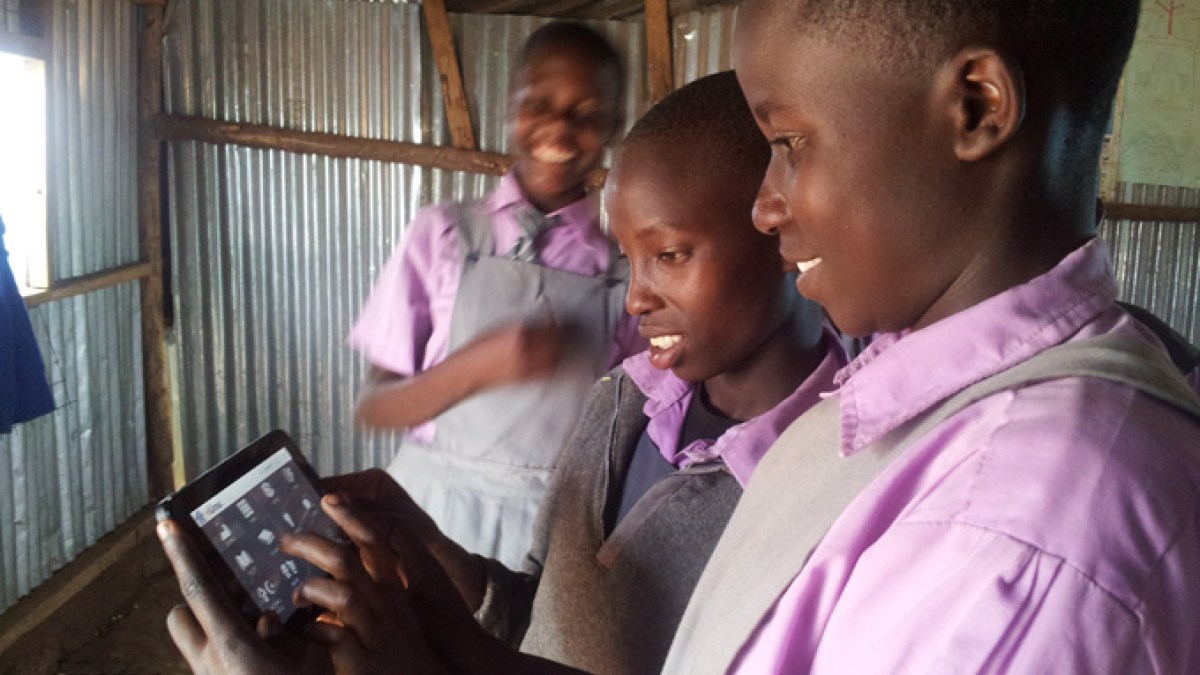
Students in Kenya Report Positive Experience with Mother Tongue-Based Education
In 2023, Lona Chepkemoi attended a technical college classroom where she was able to understand the teacher’s instructions. This experience marked a significant departure from her previous education, which had been conducted primarily in English.
Chepkemoi had previously failed her final exam and was unable to attend secondary school due to financial constraints. However, with the support of a local member of parliament, she received a scholarship that enabled her to pursue higher education.
Upon entering college, Chepkemoi found that the language of instruction was partly in Kalenjin, her mother tongue, mixed with Swahili and English. This approach allowed her to comprehend the material more effectively than during her previous education.
According to UNESCO’s Global Education Monitoring reports, approximately 40% of learners worldwide are not taught in a language they understand well. In Kenya, education policy provides for mother-tongue instruction in primary school, typically up to grade 3, before English becomes the main language of instruction from grade 4.
In practice, however, classrooms often shift between languages depending on regional factors, teacher capacity, and student background. A study by UNESCO’s Global Education Monitoring work has shown that multilingual classrooms are now common in many countries.
Chepkemoi was not alone in experiencing improved learning outcomes through familiar language. Her husband, Philemon Tonui, also enrolled at the same institution to study building and construction. He reported feeling more confident with the use of Kalenjin alongside English and Kiswahili.
Ismael Kiplang’at, a 28-year-old mason, studied at the same institution and credited the approach used by instructors for his success. The college made an effort to teach in languages students could understand, repeating words in multiple languages to ensure everyone’s comprehension.
These experiences reflect a broader global reality where children are often taught in a language they do not understand well. UNESCO has consistently argued that children learn best in a language they comprehend, and mother-tongue-based multilingual education is seen as key to improving literacy and learning outcomes.
Source: Al Jazeera