Iraqi politicians return sparks uncertainty over regional stability and security
January 25, 2026 • Al Jazeera
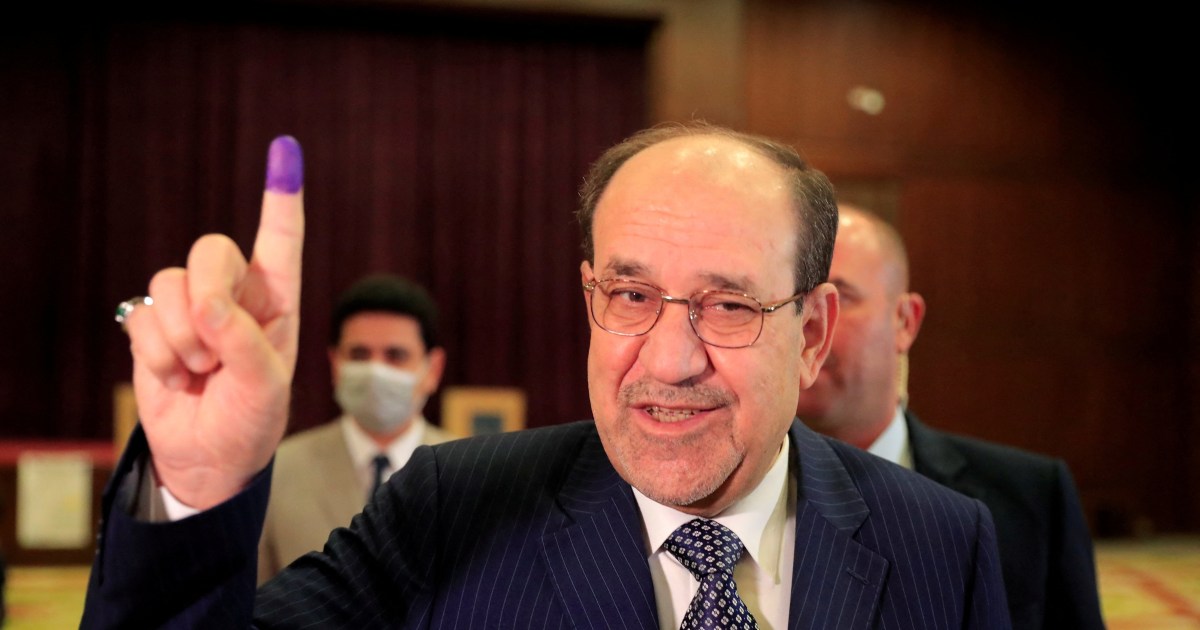
Iraqi Prime Minister Nouri al-Maliki’s return to power is likely to have significant implications for the country’s sectarian politics. Al-Sudani announced his withdrawal from the premiership race two weeks ago, paving the way for al-Maliki’s candidacy.
Al-Maliki’s past record suggests that his return could lead to a resurgence of policies that contributed to the rise of ISIL (ISIS) in 2014. In 2006, he was first nominated for prime minister and received support from US President George W Bush, citing stability and trust as reasons. However, concerns about al-Maliki’s ability to address violence against the Sunni population were raised by US National Security Advisor Stephen Hadley just six months after his appointment.
Al-Maliki’s governance template during his first two terms included policies that deliberately excluded the Sunni population from politics and society under the guise of de-Baathification. This led to the banning of nine parties and over 450 candidates, predominantly Sunnis, from parliamentary elections in 2010. Moderate Sunni politicians were also arrested on trumped-up charges and peaceful demonstrations were suppressed.
The 2013 massacre in al-Hawija, Kirkuk province, is an example of these policies in action. Security forces attacked a protest sit-in, killing at least 44 protesters. Al-Maliki’s government also implemented demographic engineering, displacing Sunnis from their homes and consolidating Shia-dominated areas.
As a result, sectarian politics escalated, leading to widespread discontent and the exploitation by extremist organizations such as al-Qaeda and ISIL (ISIS). The loss of national wealth during al-Maliki’s tenure was significant, with an estimated $320bn lost to corruption since the US invasion. Al-Maliki’s administration was accused of large-scale thievery, with no one held accountable despite extensive documentation by Iraq’s Federal Commission of Integrity.
Al-Maliki’s return to power has raised concerns about the potential for a repeat of these policies and their consequences for Iraq’s stability and unity.
Source: Al Jazeera