Ceutas dual identity sparks debate over its name and disputed status
October 12, 2026 • Al Jazeera
Spanish King Felipe VI and Queen Letizia Plan Visit to Ceuta and Melilla, Reiterating Territorial Dispute with Morocco
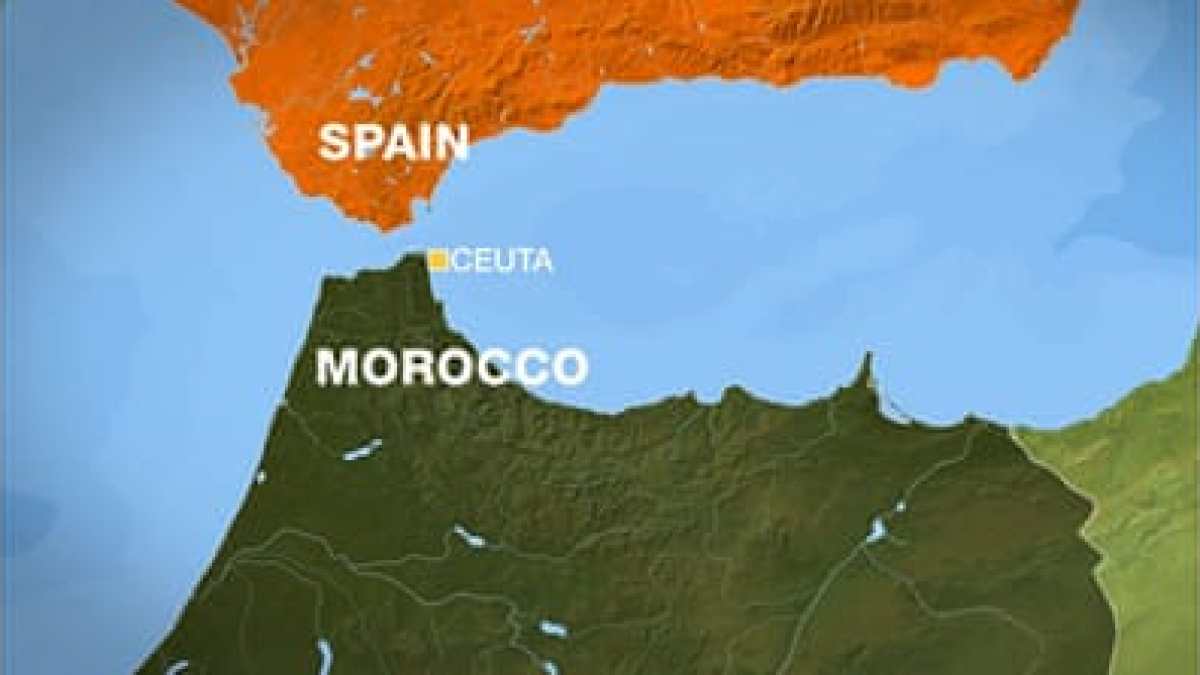
King Felipe VI of Spain is set to visit Ceuta on October 13, followed by a stop in Melilla the following day. This marks Felipe’s first visit to either city as king since he ascended the throne in 2014. The trip comes amid ongoing tensions between Spain and Morocco over the two cities’ status.
Ceuta and Melilla are located on the North African coast, with Ceuta having different names in Spanish and Arabic. In Spanish, it is known as Ceuta, while in Arabic, it is referred to as Sabta or Sebta. The city’s name has undergone changes throughout its history, which dates back to the Idrisid dynasty.
According to Spain’s Ministry of Culture, Ceuta was part of various dynasties and systems before being taken by the Umayyad Caliph Abd al-Rahman III in 931. The city later became linked to the Taifa of Malaga and eventually came under Muslim rule from 709 to 1415. Portuguese forces captured Ceuta in 1415, leading to a change in its administration.
The dispute between Spain and Morocco over Ceuta’s status remains unresolved. Spain considers Ceuta an autonomous city within its territory, while Morocco regards the two cities as occupied Moroccan territories. The disagreement stems from differing interpretations of history, with Morocco pointing to Ceuta’s long history within Muslim political systems and its location on the North African coast.
In contrast, Spain emphasizes centuries of Portuguese and Spanish control over the city. Ceuta’s present constitutional status as part of Spain is also cited by the Spanish government. The historical record does not provide a clear resolution to the sovereignty dispute, with both sides continuing to assert their claims.
Source: Al Jazeera