Algeria holds legislative elections amidst concerns over low voter participation
July 1, 2026 • Al Jazeera
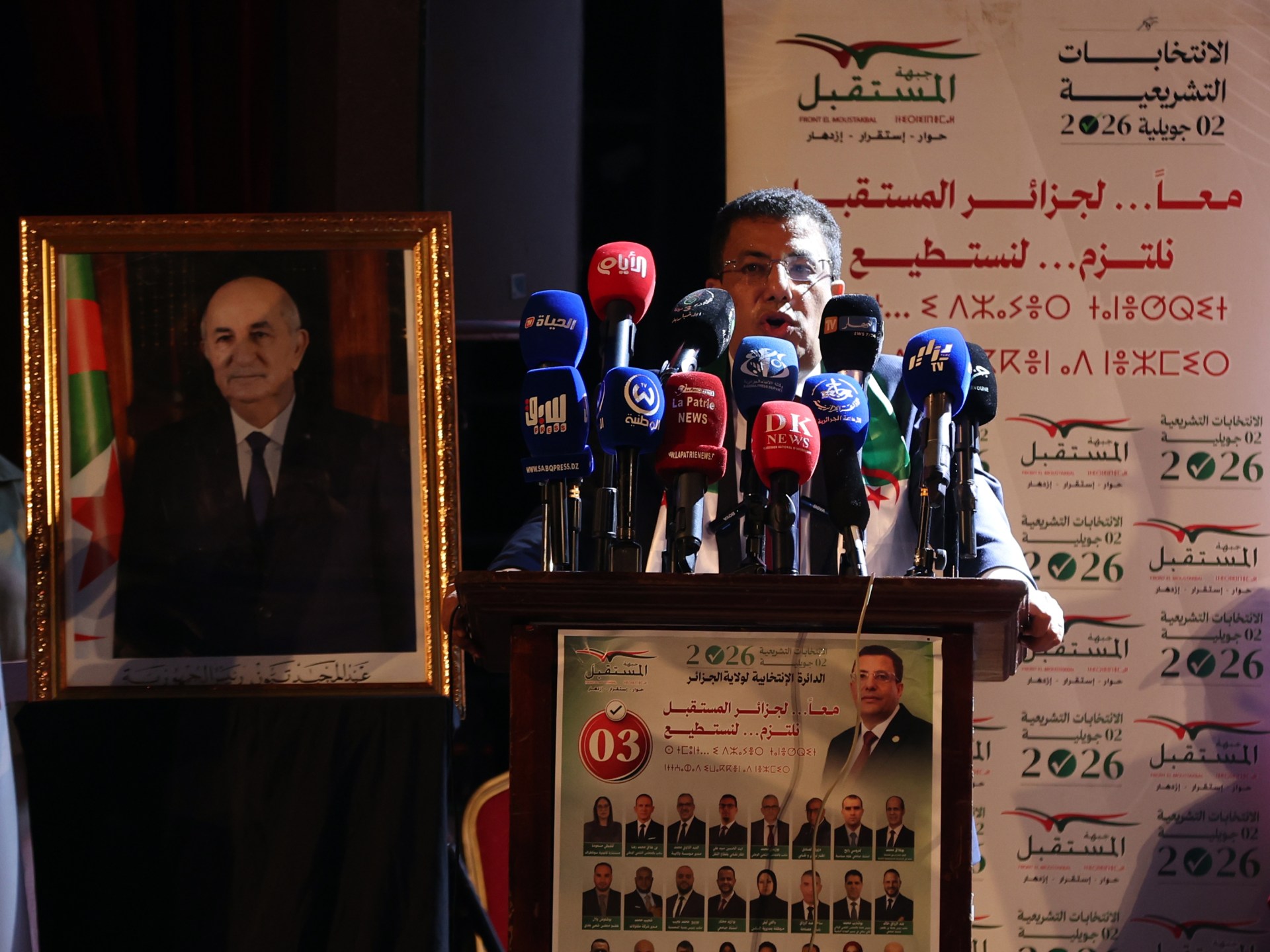
Algerians Prepare to Vote in Low-Turnout Election
On Wednesday, Algerians will cast their ballots to elect a new parliament, with turnout expected to be low due to widespread distrust and apathy. In 2021, the previous legislative election saw a turnout of just 23 percent, the lowest since Algeria’s independence in 1962.
The Hirak protest movement, which began in 2019, led to the resignation of former President Abdelaziz Bouteflika and the inauguration of Abdelmadjid Tebboune as president. Since then, observers have noted a tightening of political and civic space, eroding confidence in formal politics.
In the lead-up to the campaign, controversy over candidate eligibility has deepened disengagement. According to Karim Khalfane, interim head of the national elections authority ANIE, more than 3,700 prospective candidates were barred from running, while approximately 10,000 were approved. Authorities cited Article 200 of Algeria’s electoral law as the basis for these exclusions.
Critics argue that the law’s broad wording grants authorities wide discretion over who can stand. The Islamist Movement of Society for Peace (MSP) described its use as “arbitrary,” stating that disqualifications were issued without clear legal evidence or final court judgment.
The current parliament is more fragmented than previous legislatures, reflecting the weakening dominance of established parties like the National Liberation Front (FLN), the National Democratic Rally (RND), and the MSP. Analysts say this fragmentation reflects a managed political field rather than renewed pluralism.
The Socialist Forces Front (FFS) has returned to the contest, fielding 30 candidate lists in an attempt to regain parliamentary representation. Party official Rachid Chaibi stated that participation remains essential despite limited expectations.
President Abdelmadjid Tebboune’s second term is set to end in 2029, and the Constitution prevents him from running again. The composition of the new parliament is unlikely to significantly alter the political balance before that transition.
Source: Al Jazeera