Africa to Mine, Benefit, Industrialize Without External Influence or Oversight
July 1, 2026 • Al Jazeera
Kenya to Ghana, Mali Governments Insist on Processing Minerals Locally Before Export
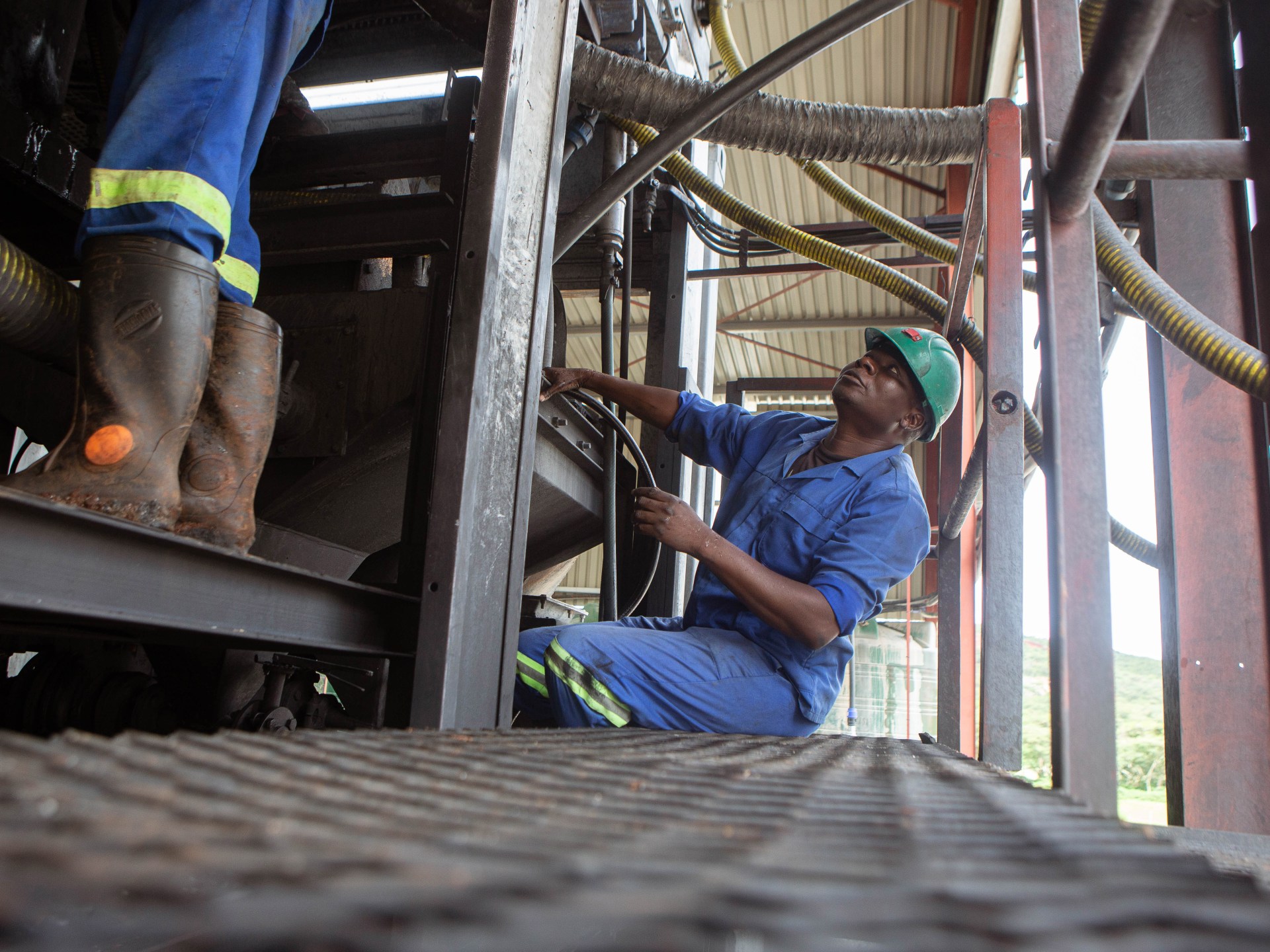
In a significant shift, governments from Kenya to Ghana to Mali are insisting that their minerals be processed domestically before they leave the country. This move is part of a broader trend towards rewriting the traditional extractive bargain.
At the G7 summit in Evian-les-Bains, France, on June 17, Kenyan President William Ruto announced that his country was nearing a critical minerals agreement with the United States. Kenya’s insistence on refining and processing its rare earths, lithium, graphite, copper, nickel, and niobium domestically is notable.
Similar demands are being made by other African governments. Namibia has prohibited exports of unprocessed lithium, cobalt, manganese, graphite, and rare earths. Mali is constructing a 200-tonne-a-year gold refinery while requiring more local refining. Ghana will begin buying 30 percent of large-scale gold output from July 2026 to strengthen local refining and reserves.
The push for domestic processing reflects a growing recognition that natural resources can generate significant value when processed locally, rather than being exported as raw materials. This trend is not limited to critical minerals but encompasses a broader effort to retain more value in the natural resource sector.
Global demand for critical minerals is increasing rapidly, driven by investment in electric vehicles, battery storage, renewable energy systems, and advanced manufacturing. The International Energy Agency (IEA) projects lithium use will increase fivefold by 2040, with graphite and nickel requirements roughly doubling.
The supply of critical minerals cannot expand rapidly due to the time required for new mines to reach production. This creates incentives for countries to invest in existing mineral deposits, allowing African governments to negotiate local value addition, technology transfer, and industrial investment.
African countries have an opportunity to reverse their traditional role as raw material exporters by investing in refining, processing, and manufacturing. The process requires reliable power, transport, finance, and skills. United Nations data shows that export values increase significantly along the lithium-ion supply chain. Africa’s challenge is to move further up this chain, capturing more income, creating skilled jobs, and embedding technology.
By processing minerals locally, African governments can build productive capabilities, distinguish manufacturing economies from extractive ones, and create higher-value industries around refinery clusters.
Source: Al Jazeera