US Imposes New Tariffs Over Forced Labour Concerns in Global Trade
June 3, 2026 • Al Jazeera
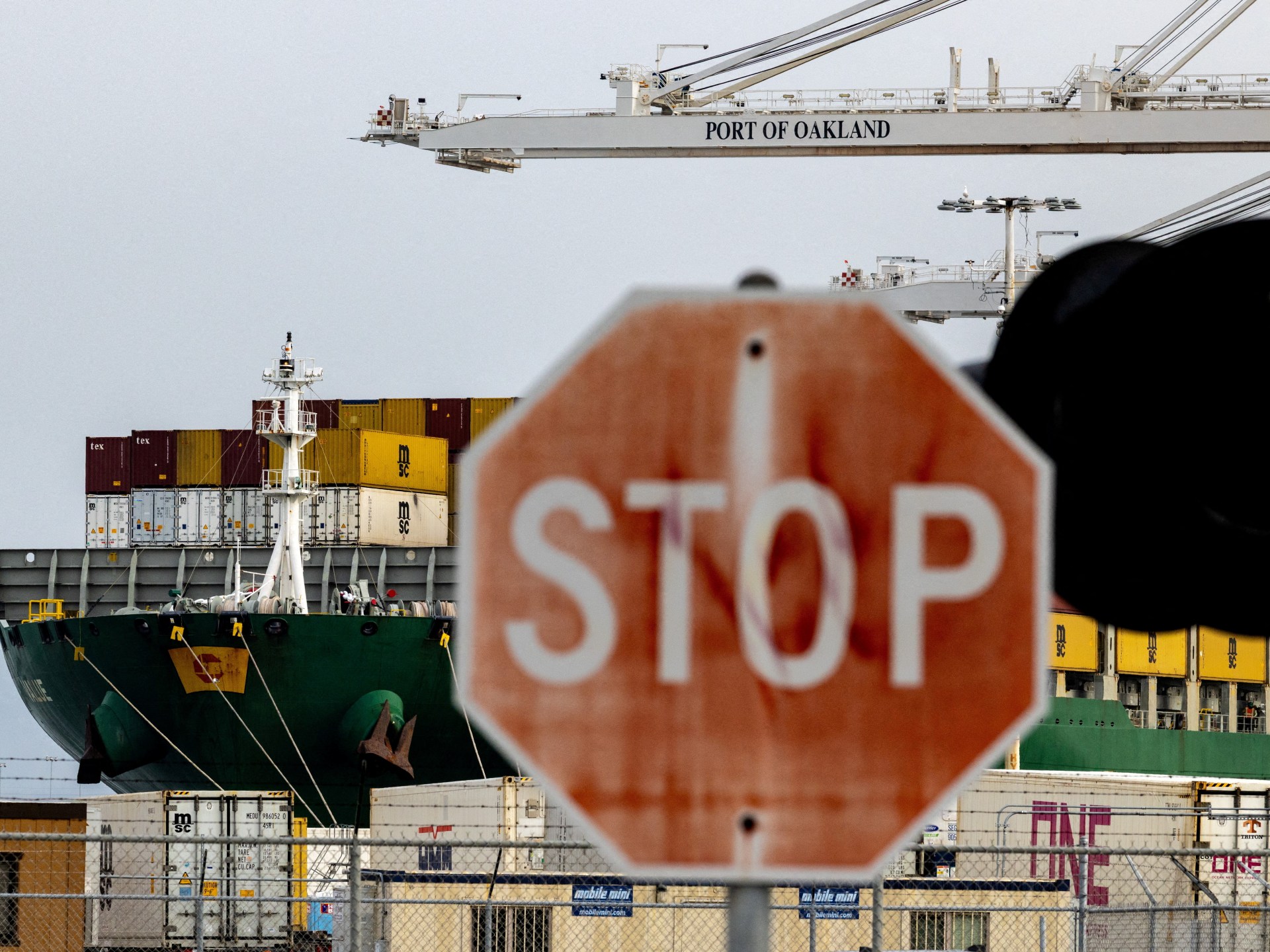
US Proposes Tariffs on Imports from 60 Economies Over Forced Labour Concerns
The Office of the United States Trade Representative (USTR) has proposed new tariffs of up to 12.5 percent on imports from 60 economies, citing concerns over the importation of goods made with forced labor. The proposal comes as part of a Section 301 unfair trade practices investigation aimed at rebuilding US President Donald Trump’s emergency tariffs.
The USTR has identified Canada, Ecuador, the European Union, Indonesia, Mexico, Pakistan, Argentina, Bangladesh, Cambodia, El Salvador, Guatemala, Malaysia, Taiwan, and Britain as countries with plans or partial schemes in place to address forced labor. The remaining 45 countries, including China, India, Nigeria, Japan, South Korea, Vietnam, Australia, and New Zealand, will face tariffs of 12.5 percent.
US Trade Representative Jamieson Greer stated that the failure of key trading partners to address forced labor imports is “unacceptable.” He noted that this creates an uneven playing field for American workers competing globally.
The USTR has announced a public comment period on the proposed tariffs and other remedies, which will run through July 6. A public hearing is scheduled for July 7. The proposal comes ahead of the expiration of a 10 percent temporary tariff imposed by the Trump administration on February 20.
European lawmakers have expressed skepticism over the US findings, with one describing them as “utterly absurd.” Business leaders have also noted that the new tariffs create more confusion for companies.
The European Commission has reiterated its commitment to the trade deal sealed with Washington last year and stated that the proposed tariffs are unjustified. Britain has confirmed it is in regular talks with the US and is taking action to tackle forced labor.
A public hearing will be held on July 7, and the USTR will accept comments on the proposed tariffs until July 6.
Source: Al Jazeera