Transport strikers in the Philippines criticize President Marcos Jrs handling of oil prices
March 28, 2026 • Al Jazeera
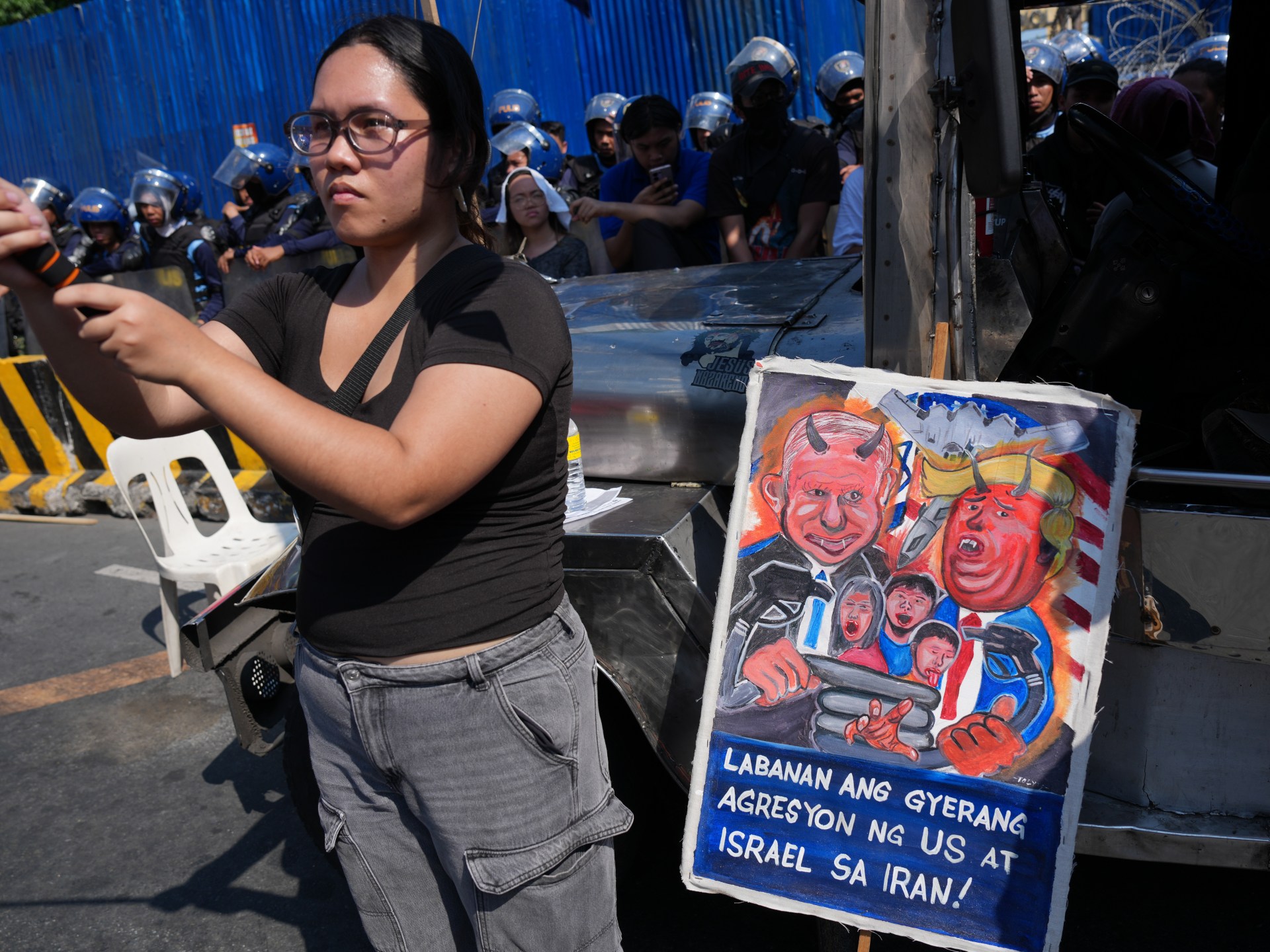
Transport Workers in Philippines Call for Government Action on Fuel Prices
Thousands of transport workers in the Philippines have taken to the streets to protest rising fuel costs, which they say are affecting their livelihoods. The workers, representing nearly a dozen national transport groups, joined forces under the No to Oil Price Hike Coalition to demand price controls on petrol and diesel, scrapping fuel taxes, and tighter government regulation of the fuel industry.
The protests come as the Philippines faces one of the highest diesel and petrol prices in Southeast Asia, with prices significantly higher than those in neighboring countries such as Malaysia, Vietnam, and Thailand. The global oil shortage has exacerbated the situation, with Singapore’s diesel and petrol prices being about $2.7 per liter and $2.35 per liter, respectively.
Jeepney owners, who are among the most affected by the fuel price surge, staged a strike last week, which was followed by bigger demonstrations this week. The workers claim that the government has been too slow to act on their demands for price controls and have instead ignored their concerns for weeks.
President Ferdinand Marcos Jr declared a state of national energy emergency on Tuesday night, allowing the government to rapidly procure fuel and petroleum products and take action against hoarding, profiteering, and manipulation of petroleum product supplies. The emergency declaration will remain in force for one year.
The transport workers are calling for the government to take immediate action to address the fuel price crisis, which they say is affecting their ability to make a living. Thousands have joined picket lines at 85 commuter terminals across the capital and major cities, while very few jeepneys could be seen on typically congested streets during the protests.
The workers are also linking the fuel price surge to the US-Israel war on Iran, claiming that Filipinos did not start the conflict but are suffering as a result. The No to Oil Price Hike Coalition has called for greater government regulation of the fuel industry and an end to what it sees as “American aggression” against Iran.
The government has already taken some measures to mitigate the impact of the fuel price surge, including providing subsidies to motorcycle taxi drivers and other public transport workers. However, the transport workers say that these measures are insufficient and that they need more concrete action from the government to address their concerns.
Source: Al Jazeera