Thai Election Results Reinforce Established Political Power Structure
February 14, 2026 • Al Jazeera
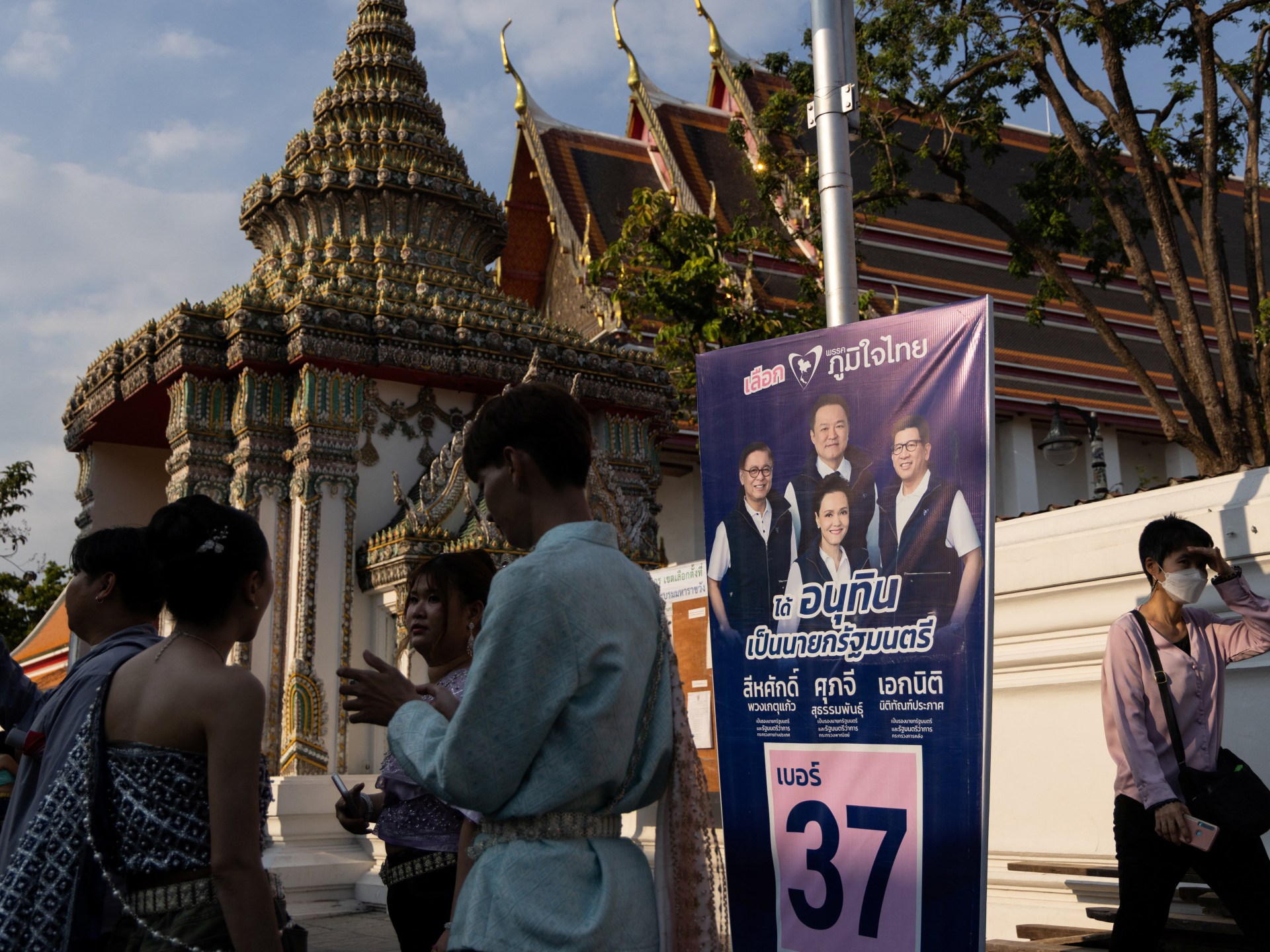
Thailand’s Election Results Reflect Local Power Dynamics
Anutin Charnvirakul, leader of the Bhumjaithai Party, has secured over 190 seats in Thailand’s parliament, according to an unofficial count by the Election Commission of Thailand. The party’s victory marks a shift towards more conservative politics in the country.
The People’s Party, which had been expected to secure the largest number of seats and the biggest share of the vote, won just 118 seats. Analysts attribute this decline to the party’s failure to effectively address local concerns outside of urban areas.
Anutin has already begun forming a coalition government with himself as prime minister. His election rivals are left to assess their failed campaigns. The Bhumjaithai Party’s success is attributed to its ability to tap into the country’s powerful political dynasties, known as “Baan Yai” or Big Houses.
These dynasties have traditionally wielded significant influence over local voters, offering them patronage and support in exchange for their loyalty. Analysts suggest that the People’s Party may have underestimated the entrenched nature of this system.
In rural areas, voters tend to view MPs as clan leaders rather than representatives, due to limited resources and a reliance on patronage. This has led to a continued reliance on the Baan Yai system as a safety net for many populations.
The 2023 election had already shown signs of this trend, with younger voters in certain regions rejecting the influence of these dynasties at the polls. The current results may indicate that this shift is ongoing.
Source: Al Jazeera