Sudanese civilians face severe food shortages due to ongoing conflict
April 13, 2026 • Al Jazeera
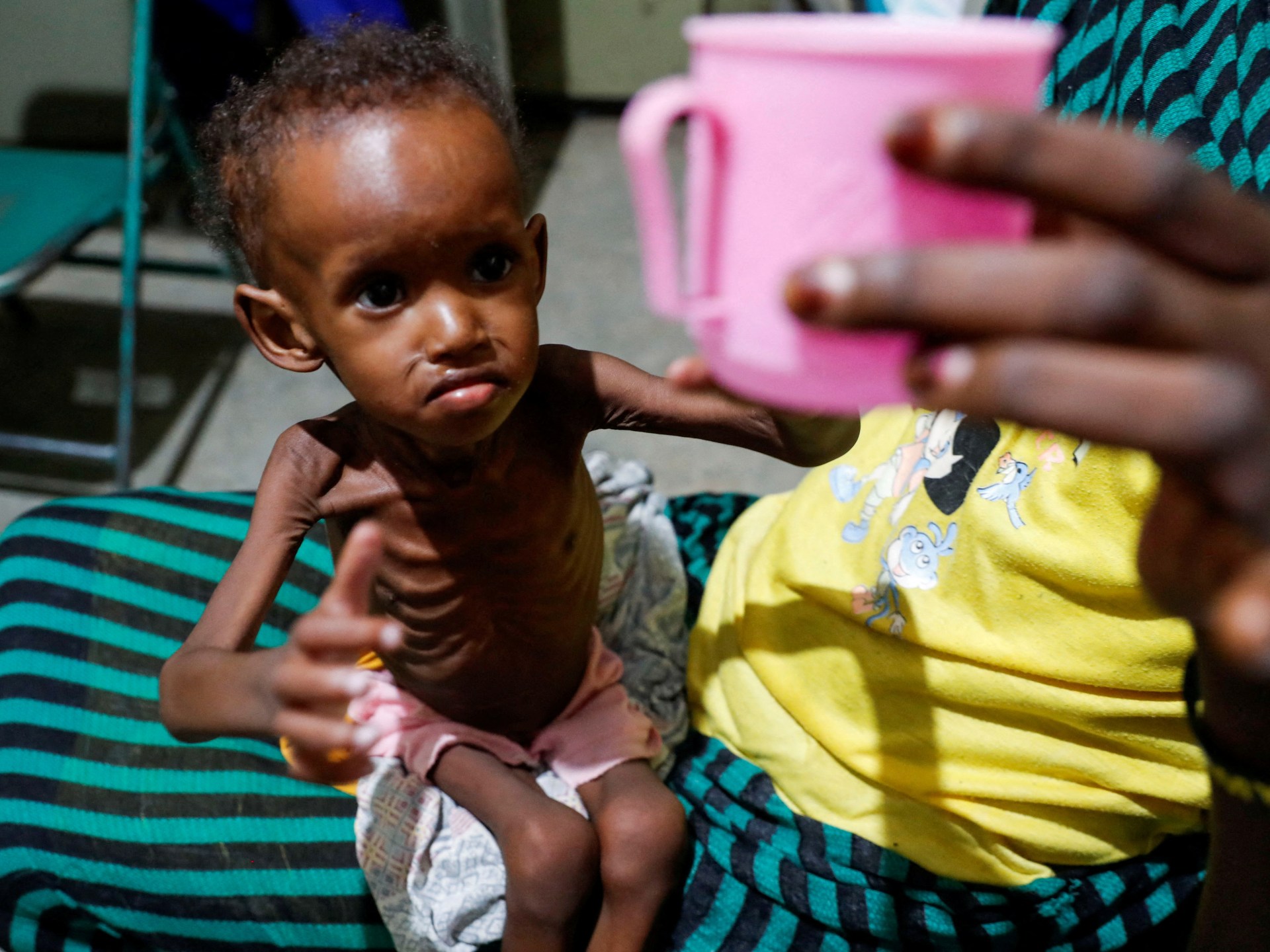
Sudan’s Ongoing Conflict Sparks Food Crisis in North Darfur and South Kordofan States
A recent report by a coalition of non-governmental organizations (NGOs) has highlighted the dire situation facing millions of people in Sudan, particularly in the states of North Darfur and South Kordofan. The conflict between the Sudanese army and the paramilitary Rapid Support Forces, which began in April 2023, has led to widespread hunger and displacement.
According to the report, nearly three years of violence have systematically eroded Sudan’s food system, resulting in mass hunger. Millions of families are struggling to access even one meal a day, with some often going without food for entire days. In response, people are resorting to eating leaves and animal feed to survive.
The NGOs also noted that communal kitchens set up to provide meals are facing significant challenges due to dwindling resources. The crisis is further compounded by an economic downturn and climate change.
The situation in Sudan has been marked by widespread displacement, with over 12 million people forced from their homes since the conflict began. The United Nations estimates that more than 33 million people require humanitarian aid, while over 40,000 people have lost their lives.
A recent assessment found that 61.7 percent of Sudan’s population – approximately 28.9 million people – is facing acute food shortages. The government and paramilitary forces involved in the conflict deny responsibility for these conditions, despite reports of widespread atrocities and ethnically charged violence.
The report highlights the disproportionate impact on women and girls, who face a high risk of rape and harassment when accessing basic necessities like water and markets. Female-headed households are particularly vulnerable to food shortages, with rates three times higher than those in male-headed households.
Source: Al Jazeera