Sudan Army and RSF Reach Military Impasse After Three Years of Conflict
April 16, 2026 • Al Jazeera
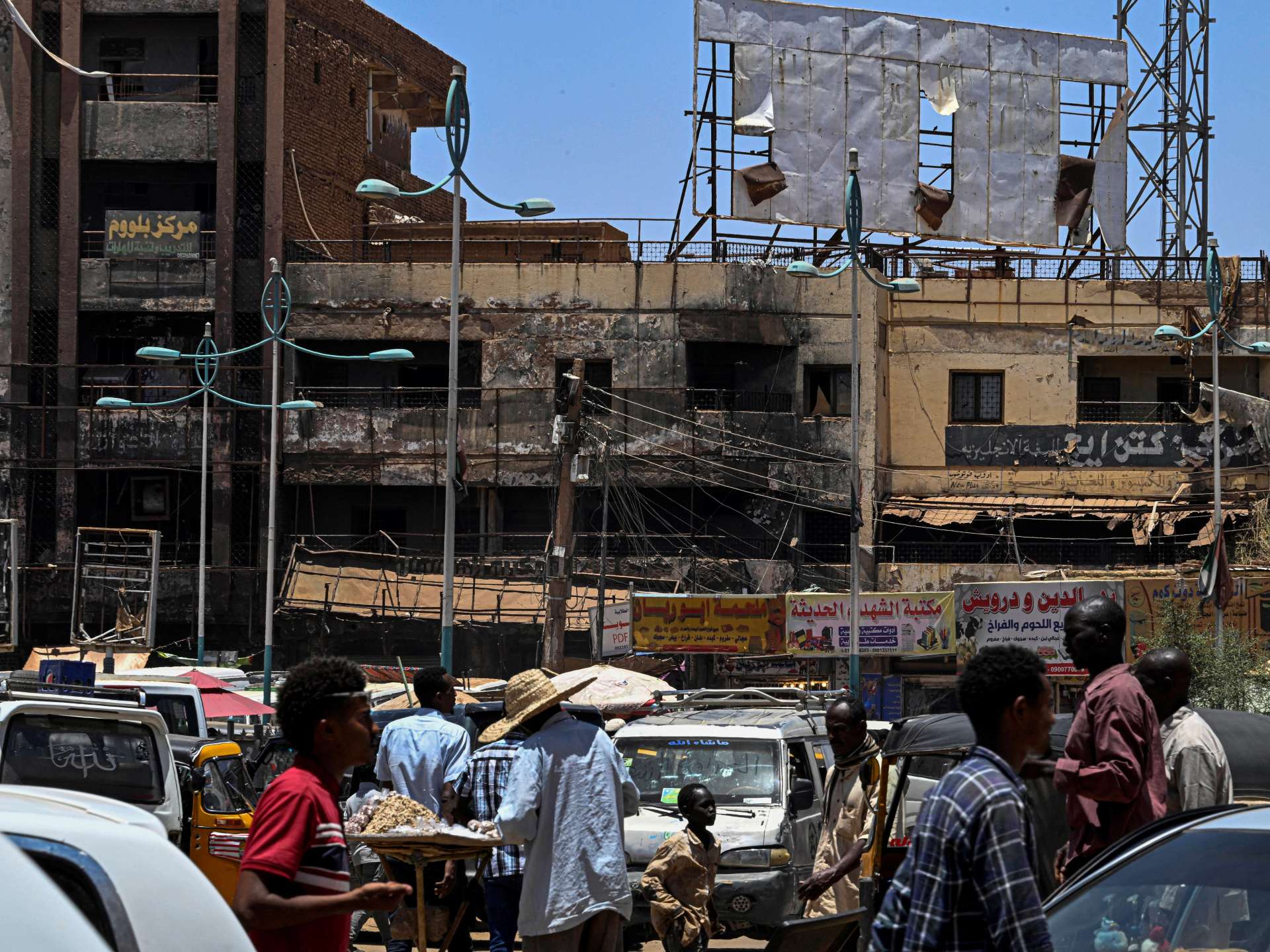
Sudanese Conflict Enters Fourth Year with No Clear End in Sight
The war in Sudan has entered its fourth year, with neither side showing signs of achieving a decisive victory. The conflict between the Sudanese army and the paramilitary Rapid Support Forces (RSF) continues to rage on, with control of the North African nation remaining uncertain.
In recent months, life has gradually returned to a fragile state of normalcy in the capital, Khartoum, and central regions after the army regained control of these areas. However, this relative stability is accompanied by ongoing economic and living conditions deterioration, as well as persistent military deadlock in the Kordofan region.
The conflict has created a clear division between eastern and western Sudan, with the Sudanese army controlling northern, central, and eastern states, including the capital. The RSF controls Darfur and large parts of the three Kordofan states, while also opening a new front in the Blue Nile region along the border with Ethiopia.
In recent developments, the Sudanese army has recaptured several key cities, including Khartoum State, Wad Madani, el-Obeid, Kadugli, and Dilling. However, the RSF has also made significant military progress, capturing el-Fasher, the capital of North Darfur, in October 2024.
The conflict has led to a catastrophic humanitarian crisis, with approximately 14 million people displaced over three years. An estimated 26 million people face acute food insecurity, while 33.7 million require humanitarian assistance. The Norwegian Refugee Council reports that most families have been forced to reduce their daily meals due to worsening economic conditions and loss of income.
The nature of the war has evolved in recent months, with both sides relying on drones to strike targets. The Sudanese army has acquired new drones to counter the RSF’s use of drones, while also targeting supply lines and eliminating several RSF leaders.
Source: Al Jazeera