Strait of Hormuz plays critical role in global energy supply and trade
March 27, 2026 • Al Jazeera
Here is a rewritten version of the news article in a neutral newsroom style:
The Strait of Hormuz: A Critical Waterway
Located at the southern end of the Persian Gulf, the Strait of Hormuz is the only major commercial artery on earth named after a god. The name “Hormoz” originates from the Middle Persian rendering of Ahura Mazda, the Zoroastrian deity of wisdom, light, and cosmic order.
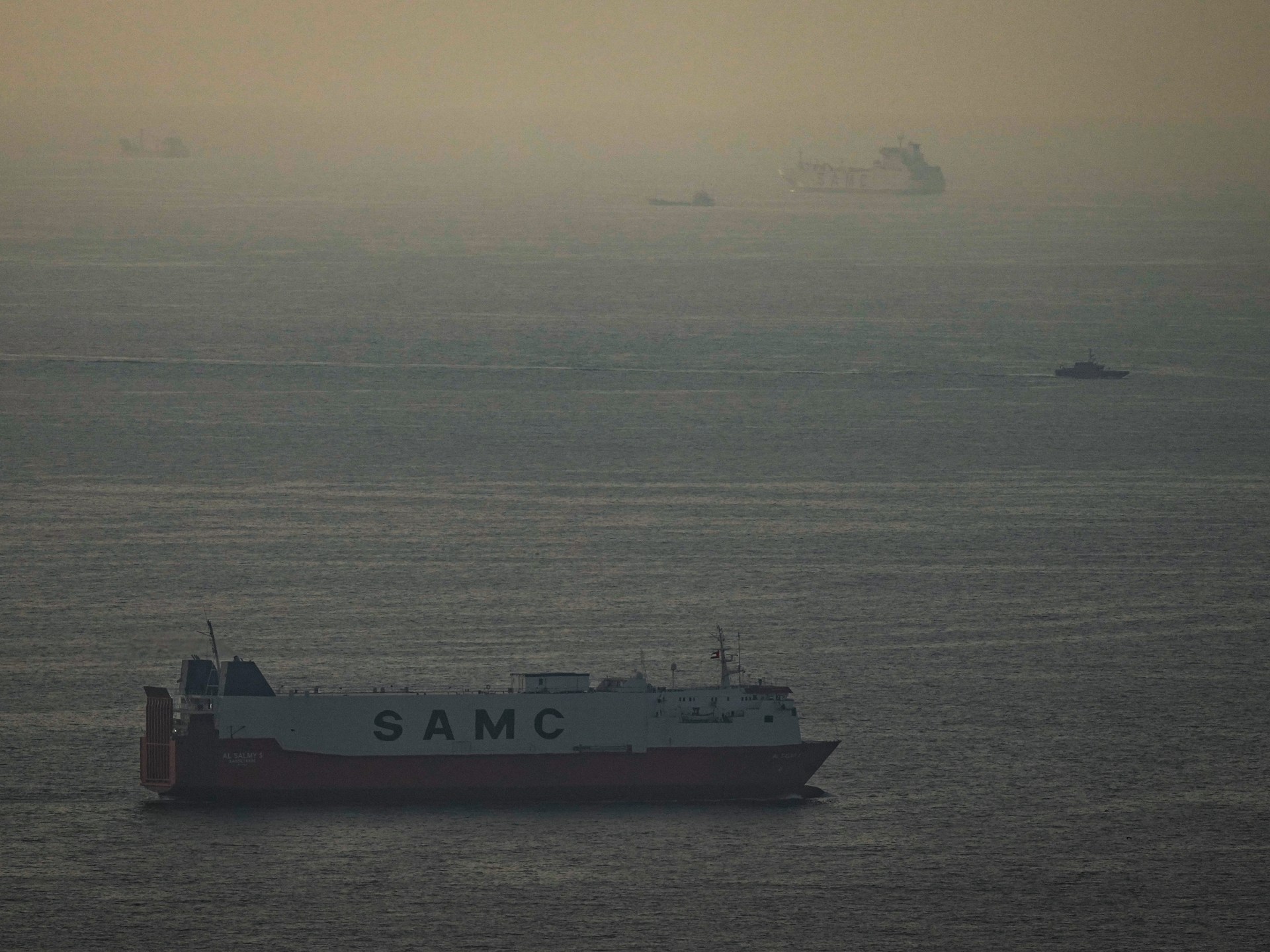
The strait, approximately 167km long and 39km wide at its narrowest point, is a vital passage for an estimated 30,000 vessels per year. These vessels carry essential goods, including oil, liquefied natural gas, fertilizers, aluminum, helium, and petrochemicals, which are crucial components of various industries.
The Strait of Hormuz plays a significant role in globalized production, with the transportation of these goods accounting for about 60 percent of its regular traffic. A disruption to this waterway would have far-reaching consequences across multiple industries, including agriculture, manufacturing, construction, and semiconductor production.
Historically, the strait has been an important hub for maritime trade, attracting merchants from various civilizations, including Egypt, China, Java, Bengal, Zanzibar, and Yemen. The Portuguese, British, and other European powers have also vied for control of the strait throughout history.
In recent years, the importance of the Strait of Hormuz has been highlighted during conflicts in the region, such as the Iran-Iraq war (1980-1988). In 2026, concerns about potential closure or disruption to the waterway are being closely monitored by global stakeholders.
The Strait of Hormuz’s significance lies not only in its role as an energy corridor but also in its impact on the global supply chain. The modern insurance system has proven capable of mitigating risks associated with disruptions to this critical waterway, highlighting the importance of preparedness and contingency planning for potential events.
Source: Al Jazeera