Soaring Oil Prices from Iran Conflict to Hit Food Costs Globally
March 10, 2026 • Al Jazeera
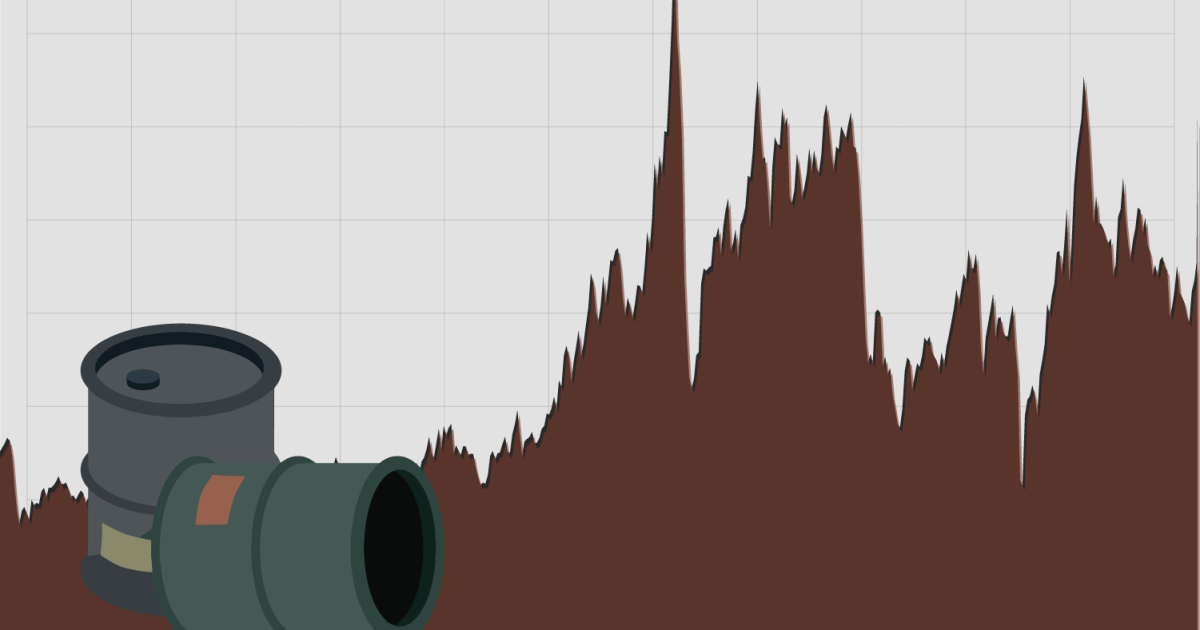
Oil Prices Surge Past $100 Per Barrel Amidst Ongoing Energy Uncertainty
The price of oil has reached a new high of over $100 per barrel, driven by ongoing energy uncertainty following the start of the US and Israel’s war on Iran on February 28. This marks the first time since Russia’s invasion of Ukraine in 2022 that prices have surpassed this threshold.
According to the US Energy Information Administration (EIA), approximately 20% of the world’s oil comes from the Gulf region, with most of it being transported through the Strait of Hormuz, a narrow waterway between Iran and Oman. The strait is only 21 nautical miles wide at its narrowest point and handles over 20 million barrels per day, accounting for one-fifth of global petroleum consumption.
The war in Iran has led to a significant disruption in marine traffic through the Strait of Hormuz, with attacks on vessels and interference with navigation equipment causing many operators to anchor their ships outside the strait. This has resulted in a severe shortage of oil supplies, putting pressure on consumers and businesses.
Analysts warn that prices are likely to remain high unless an agreement is reached between Washington, Tel Aviv, and Tehran to stop the war. Ismayil Jabiyev, supply chain analyst at CarbonChain, notes that “it’s all about risk” in this situation, citing the use of cheap drones as a major concern.
The majority of oil transported through the Strait of Hormuz (89%) is bound for Asian markets, with China, India, Japan, and South Korea being the top buyers. However, alternative routes are limited, with only two pipelines offering a capacity of around 4.7 million barrels per day. Despite this, analysts remain skeptical about the effectiveness of these alternatives in replacing the main route.
The sudden supply shortfall is estimated to be around 15 million barrels per day, which could have significant implications for global energy markets.
Source: Al Jazeera