New Regional Order Established in the Strait of Hormuz
April 6, 2026 • Al Jazeera
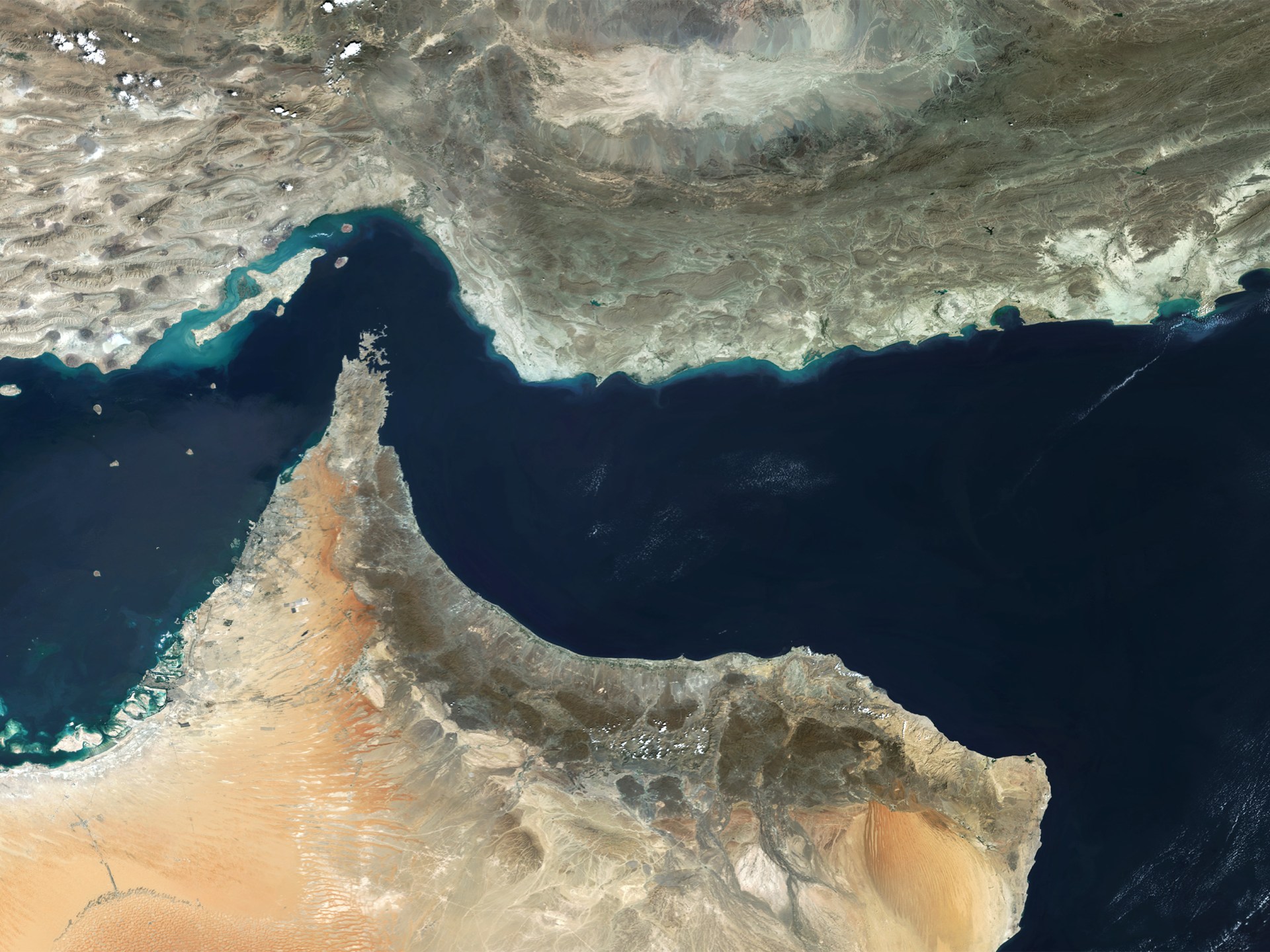
US President Donald Trump’s administration is seeking an exit strategy from the ongoing conflict with Iran. The Gulf Cooperation Council (GCC) states have been approached by Washington to establish a new security architecture for the Strait of Hormuz, which could provide the American president with a way out.
The GCC states are facing a difficult decision, as they must balance their relations with the US and Iran. Confronting Trump’s administration directly may carry significant costs and unpredictable reactions from an increasingly unpredictable leader. On the other hand, failing to take action against Iranian aggression could make them legitimate targets under Tehran’s military doctrine.
The limits of the US security patronage are becoming increasingly apparent, particularly in its alliance with Israel. This has led to a situation where American interests are often trumped by Israeli ones in the region. The status quo is unsustainable, and a new order will eventually replace it as conditions for all regional states deteriorate if the conflict continues.
Iran’s ability to exert leverage over the region, including its capacity to choke maritime traffic with drones, suggests that it possesses immense power. Iranian officials have stated their intention to use this leverage to forge a new order for Hormuz.
The GCC states and Iran have had a complex relationship since the Islamic Revolution in 1979. While relations have improved in recent years, the recent escalation of tensions has led to a setback. However, the crisis has also highlighted the importance of collective security, as one state’s insecurity can render all states in the region insecure.
A new security architecture for the Strait of Hormuz could be designed with input from multiple stakeholders, including regional actors and international partners. The European experience of achieving regional order through cooperation and integration may serve as a model. However, it is essential to avoid replicating past mistakes and instead draw inspiration from successful historical experiences.
The lack of a dedicated international regulatory treaty for the Strait of Hormuz creates a legal anomaly that needs to be addressed. The GCC states and other regional actors must work together to establish a new security framework that balances their interests and promotes stability in the region.
Source: Al Jazeera