Lebanese Army Chief Visits Pakistan Amid Funeral Plans for Israeli Victims
June 7, 2026 • Al Jazeera
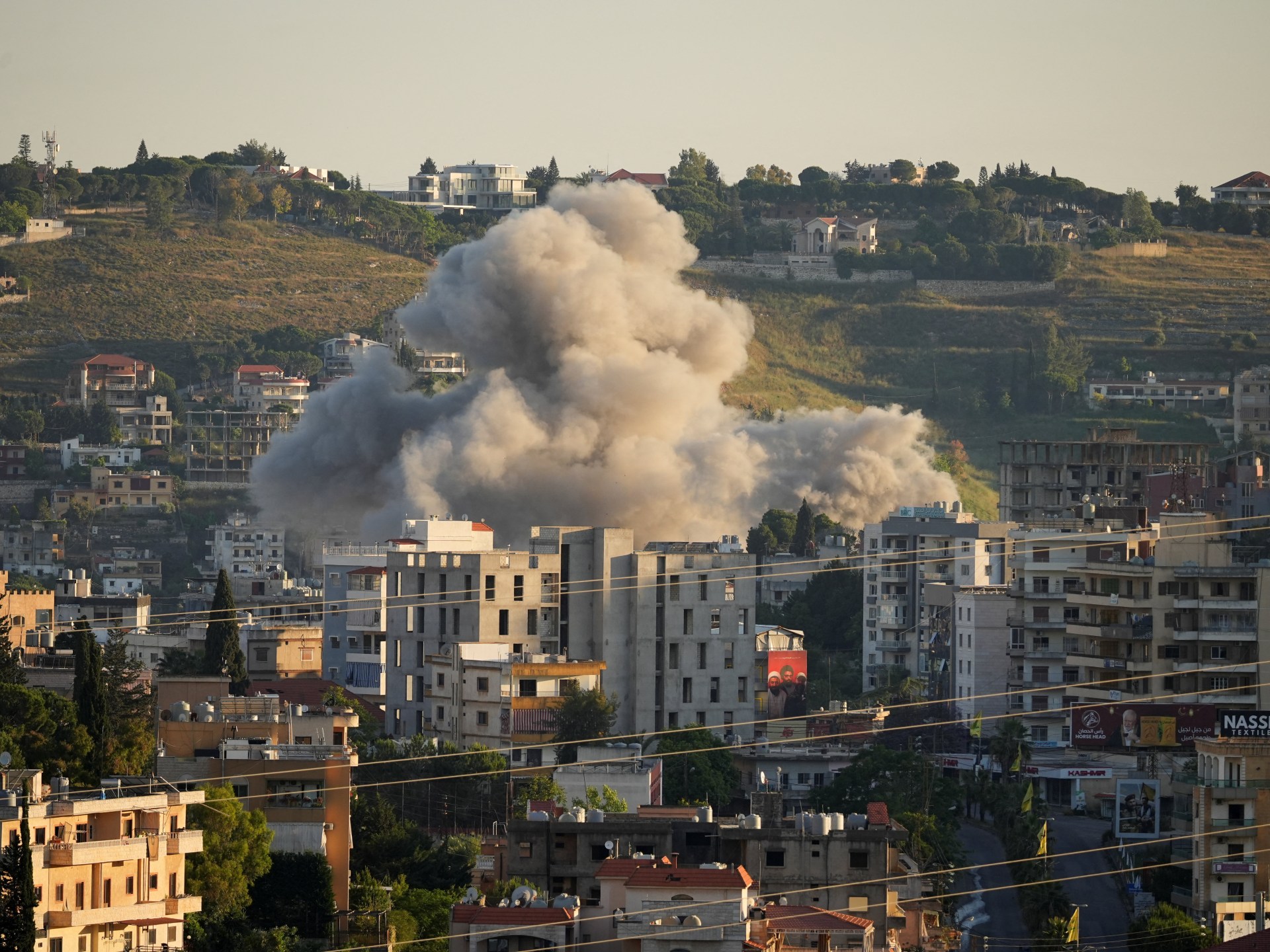
Lebanese Army Chief Makes Surprise Visit to Pakistan Amid Ongoing Conflict
Lebanon’s army chief, Rodolphe Haykal, departed for Pakistan on Saturday as fighting continues in southern Lebanon. The visit comes amid ongoing mediation efforts between the US and Iran.
Funerals will be held on Sunday for three Lebanese officers who were killed in an Israeli attack on a military vehicle on the Khardali-Nabatieh road. The incident occurred on Friday, and the Israeli army is investigating the cause of the strike.
A ceasefire agreed on April 17 was meant to halt fighting between Israel and Hezbollah, but it has not been sustained. Israel has continued to carry out near-daily attacks, prompting retaliatory actions from the Lebanese group. Since hostilities resumed on March 2, over 3,500 people have been killed in Lebanon.
Lebanese and Israeli envoys announced a conditional ceasefire last week in Washington, but it was rejected by Hezbollah. The visit of General Haykal to Pakistan is notable as it comes amid insistence from Washington that ceasefire talks for Lebanon remain separate from US-Iran negotiations mediated by Pakistan.
Overnight, Israeli attacks hit several towns across southern Lebanon and the western Bekaa. Hezbollah launched rockets, artillery fire, and drone attacks against Israeli forces in response. The Ministry of Public Health reported that an Israeli raid on Saksakiyeh killed at least two people, while 22 others were wounded, including three children and a woman.
Other towns affected by Israeli air attacks include Qalawiya, Byblos, Rihan, Deir Kifa, Barashit, Chaqra, al-Mansouri, Bayt al-Sayyad, Srifa, and Dweir. Paramedics are continuing to search for survivors under the rubble of Israeli attacks.
Separately, Al Jazeera reported that hundreds of Palestinian and Lebanese paramedics have been killed in “double-tap” attacks against rescue workers. The report also noted that the ceasefire has led to the expansion of the “Yellow Line”, which now includes nearly a fifth of Lebanon’s territory.
Source: Al Jazeera