Iran War Could Ground Flights in Europe Due to Jet Fuel Shortage
April 16, 2026 • Al Jazeera
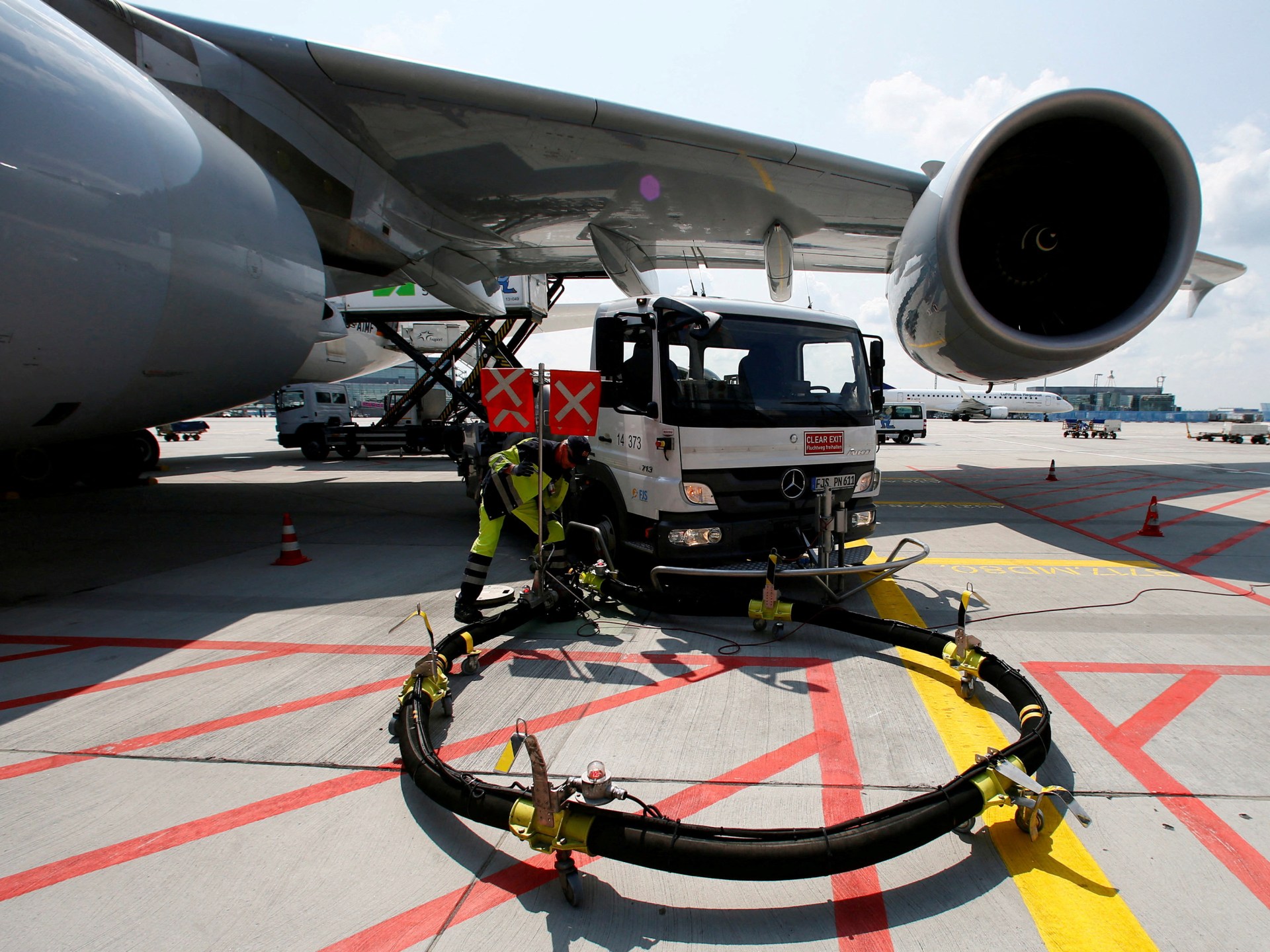
Europe’s Aviation Industry Faces Potential Fuel Shortage Amid Strait of Hormuz Tensions
A critical shortage in jet fuel has emerged, threatening travel in Europe at the start of the summer season. The International Energy Agency (IEA) has warned that Europe may have only six weeks’ worth of jet fuel left, citing ongoing tensions over the Strait of Hormuz as a major contributor to the shortage.
The strait, a vital water passageway for global oil and liquefied natural gas supplies, is currently closed due to a standoff between the US and Iran. This has led to a sharp spike in energy prices worldwide, with Brent crude reaching above $100 per barrel from its pre-war price of $66.
Europe’s aviation industry is particularly vulnerable to the shortage, relying heavily on imports from the Middle East. Approximately 75% of Europe’s jet fuel imports come from this region, making any prolonged disruption especially problematic.
According to Fatih Birol, head of the IEA, the situation could lead to flight cancellations “soon” if oil supplies remain halted by the war. The agency has also warned that some flights may be cancelled due to a lack of jet fuel.
The summer season is expected to see a significant increase in international arrivals in Europe, with 747 million tourists anticipated. With limited jet fuel supplies, airports are already experiencing declining stock levels and benchmark jet fuel prices have reached a record $1,800 per ton.
Several airports have cautioned that they could face fuel shortfalls within three weeks if the Strait of Hormuz remains closed to fuel deliveries. The situation has prompted governments to tap into strategic oil and gas reserves, with the United Kingdom beginning talks with a coalition of over 40 countries aimed at finding a way to reopen the strait.
Jet fuel is a refined kerosene-based petroleum product used to power aircraft with gas-turbine engines. It is produced in oil refineries primarily in China, the Middle East, and the US, and is typically stored in large bulk facilities near major airports.
Source: Al Jazeera