Iran-US relations reach new high amid escalating tensions and uncertainty
January 29, 2026 • Al Jazeera
US and Iranian Demands Remain Divergent Amid Escalating Rhetoric
The United States and Iran have distinct demands, with the US seeking to address concerns over Iran’s nuclear program and ballistic missiles, while Iran emphasizes regional influence and sanctions.
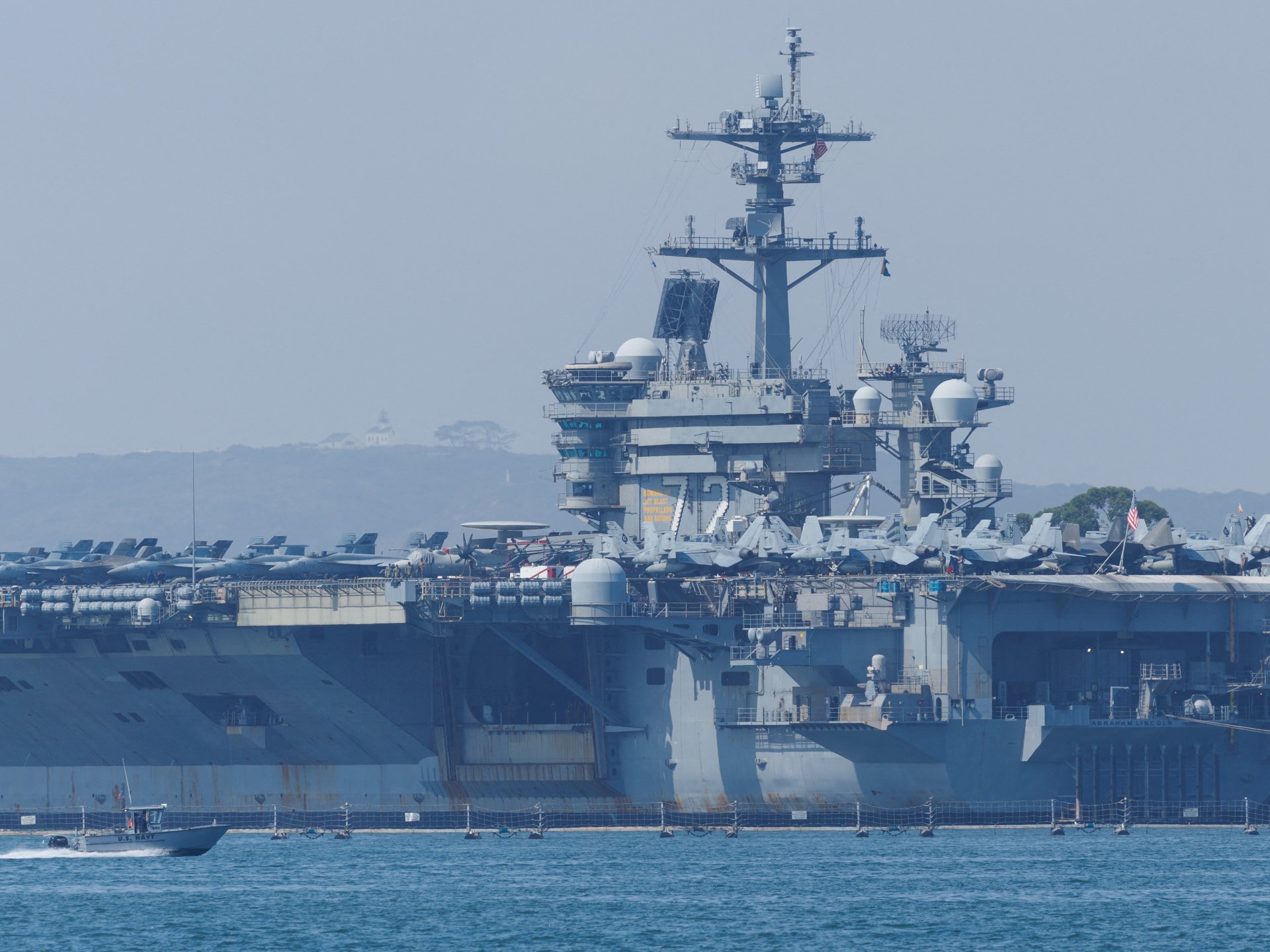
Recent statements from US President Donald Trump have emphasized the need for Iran to return to talks on its nuclear program. Trump has warned that “time is running out” for Iran to engage in negotiations, citing the deployment of naval forces in the Arabian Sea. Iranian Foreign Minister Abbas Araghchi has responded by stating that Iran’s military is prepared to respond to any new US attack.
The escalation comes seven months after US bombers attacked Iranian nuclear facilities during Tehran’s 12-day war with Israel last year. Iran retaliated by striking Qatar’s Al Udeid Air Base, which is used by US forces.
Historically, the US has imposed sanctions on Iran for various reasons, including punishment for the hostage crisis in 1979 and concerns over human rights. Over the past two decades, US pressure against Iran has focused primarily on Tehran’s nuclear and ballistic missiles program. The US and some Western allies believe that Iran’s program is aimed at developing nuclear weapons, while Tehran insists it is only developing a civilian program to meet energy needs.
Under the Joint Comprehensive Plan of Action (JCPOA), Iran capped its uranium enrichment at 3.67 percent and its enriched uranium stockpile at 300kg. In exchange, the US lifted most sanctions previously imposed on Iran. However, Trump withdrew the US from this deal in May 2018 and reimposed sanctions against Tehran.
The International Atomic Energy Agency (IAEA) has warned that Iran has stockpiled more than 400kg of uranium enriched to 60 percent. The US and Israel have cited this warning as justification for potential military action against Iran.
Source: Al Jazeera