Iran Targets Gulf Energy Infrastructure in Kuwait Oil Refinery Attack
March 20, 2026 • Al Jazeera
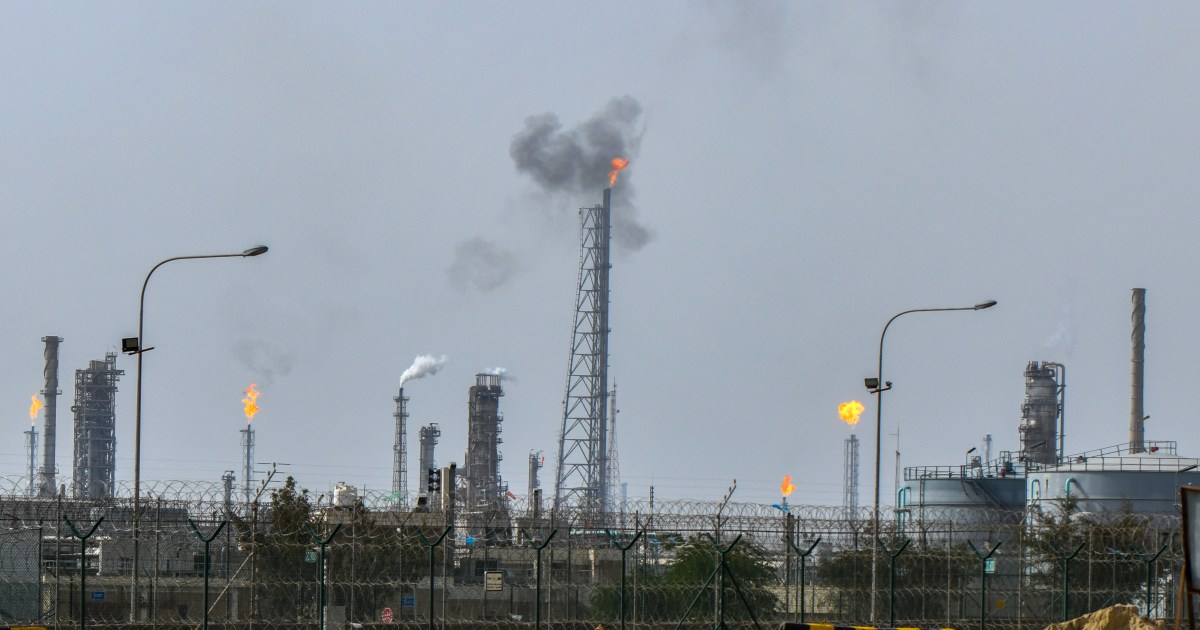
Multiple attacks have been reported across the Gulf region, with drones striking Kuwait’s largest oil refinery for the second day and Iran launching a sweeping assault on energy infrastructure. The strikes occurred as Kuwaitis celebrated Eid al-Fitr, marking the end of the holy month of Ramadan.
According to reports, fires broke out at the Mina al-Ahmadi refinery, which processes approximately 730,000 barrels of oil per day. Kuwait’s national oil company confirmed that several units had been shut down, but there were no reported casualties.
Iran has also launched attacks on energy infrastructure in other Gulf Arab states, including the UAE and Bahrain. The Iranian Islamic Revolutionary Guard Corps claimed responsibility for striking US forces at the al-Dhafra airbase in the UAE, as well as sites inside Israel.
The UAE reported incoming missile and drone threats, while Bahrain said shrapnel from what it called “Iranian aggression” sparked a warehouse fire. Saudi Arabia’s forces intercepted and destroyed over a dozen drones within two hours.
Iranian Foreign Minister Abbas Araghchi warned that the strikes on Gulf infrastructure represented only a fraction of Iran’s capabilities, and threatened “zero restraint” if Iran’s own energy facilities came under attack again.
The attacks have had significant consequences, including damage to Qatar’s Ras Laffan liquefied natural gas terminal, which has reduced global LNG supply by 17 percent. The estimated cost of the damage is $20 billion annually.
Iran has also closed the Strait of Hormuz, a vital waterway that transports about a fifth of the world’s oil and LNG. This move has sent energy prices surging and squeezed supplies of essential goods such as computer chips and fertiliser.
Governments across Asia are already taking measures to mitigate the impact of the conflict, including rationing electricity and cutting office hours. Analysts warn that the situation is entering a dangerous new phase, with potential consequences for Asia and Europe.
Source: Al Jazeera