Europe Fails to Unanimously Condemn Colonialism as a Unified Policy
January 22, 2026 • Al Jazeera
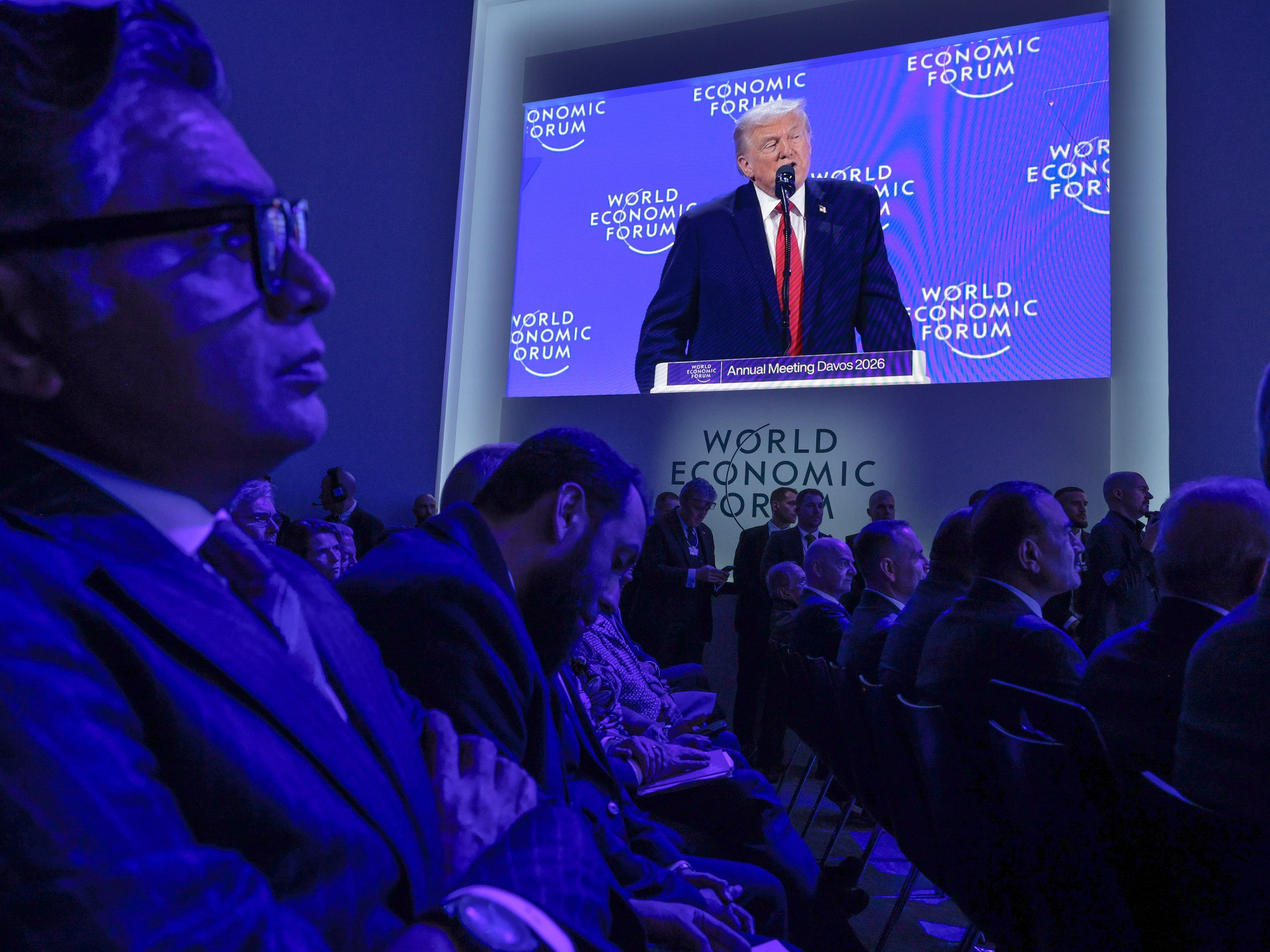
French President Emmanuel Macron addressed the World Economic Forum in Davos, Switzerland, stating that it is not a time for new imperialism or colonialism. This statement was made in response to comments from US President Donald Trump, who has expressed interest in acquiring Greenland.
Trump’s remarks were met with criticism from European leaders, including those of the European Parliament. The parliament condemned Trump’s statements as a challenge to international law and the principles of the United Nations Charter.
However, some critics have pointed out that certain European powers also have complex histories of colonialism and imperialism. France, for example, continues to rule over several overseas territories, including Guadeloupe in the Caribbean Sea and Mayotte in the Indian Ocean. These territories are officially part of the French Republic and the European Union.
In December 2024, residents of Mayotte criticized the government’s response to a cyclone that had devastated the island. Macron responded by saying that without France, the situation would be much worse. This comment has been seen as hypocritical given France’s own history of colonialism.
Other European powers also have significant legacies of colonialism and imperialism. The UK, for instance, has a history of imperial expansion in Africa and Asia. Belgium’s King Leopold II was responsible for the deaths of millions of Congolese people during the late 19th century.
The issue of colonialism and imperialism is complex and multifaceted. While some leaders have spoken out against these practices, others have been criticized for their own involvement in them. The debate over Trump’s comments on Greenland highlights the need for a nuanced discussion about the history of colonialism and its ongoing impact.
Source: Al Jazeera