E-waste from wealthy countries overflows into Nigerian markets
March 27, 2026 • Al Jazeera
Here is a rewritten version of the article in a neutral newsroom style:
Nigeria’s e-waste Problem Grows as Discarded Electronics from Developed Countries Arrive
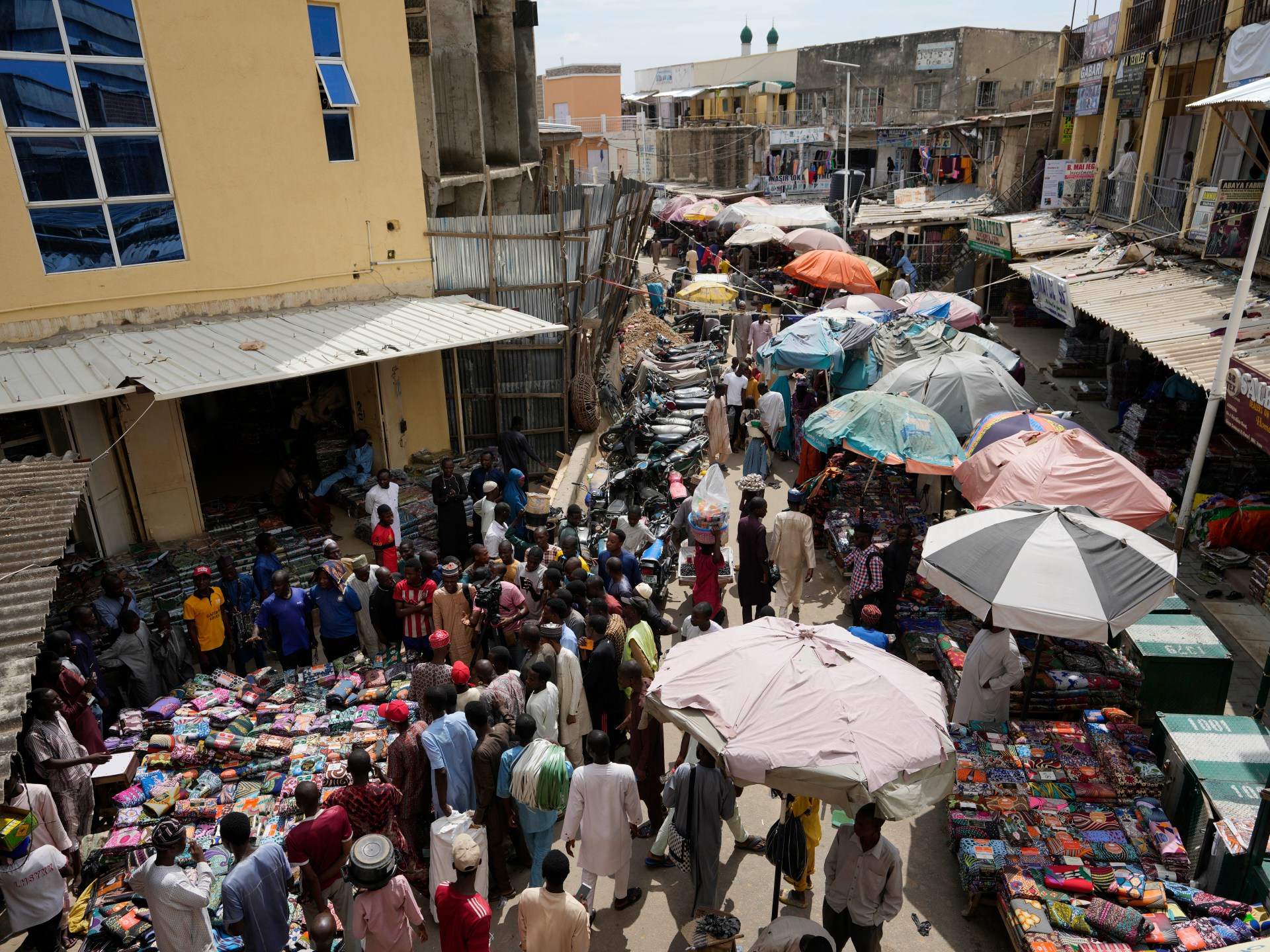
In northern Nigeria, a bustling market in Kano state has become a hub for second-hand electronics. The market, known as Sabon Gari Market, attracts buyers seeking affordable appliances, including refrigerators and air conditioners. However, many of these products are imported from developed countries and often arrive near the end of their lifespan.
According to data from the United Nations, around 60,000 tonnes of used electronics enter Nigeria through key ports each year. Of these, at least 15,700 tonnes are damaged upon arrival. The majority of these imports come from countries such as Germany, the UK, Belgium, and the US.
The trade in used electronic goods is largely driven by foreign exporters. A UN tracking study found that more than 85 percent of used electronics imported into Nigeria originated from these eight countries between 2015 and 2016.
The Basel Convention, an environmental treaty regulating the transboundary movement and disposal of hazardous electronic waste, has reported that Benin, Ivory Coast, Ghana, Liberia, and Nigeria collectively generate between 650,000 and 1,000,000 tonnes of e-waste annually. The World Health Organization (WHO) has listed several toxic components commonly found in e-waste as chemicals of major public health concern.
Experts warn that devices imported and sold as affordable second-hand goods often fail shortly after arrival and quickly enter the waste stream. These products may contain hazardous materials, such as mercury, which can pose a risk to human health and the environment.
In Kano, informal recyclers dismantle the electronics with their bare hands, releasing potentially toxic substances into the environment. The consequences of this trade are far-reaching, contributing to Nigeria’s growing e-waste crisis on the African continent.
Source: Al Jazeera