Cricket Basics: A Comprehensive Guide for Beginners
February 4, 2026 • Al Jazeera
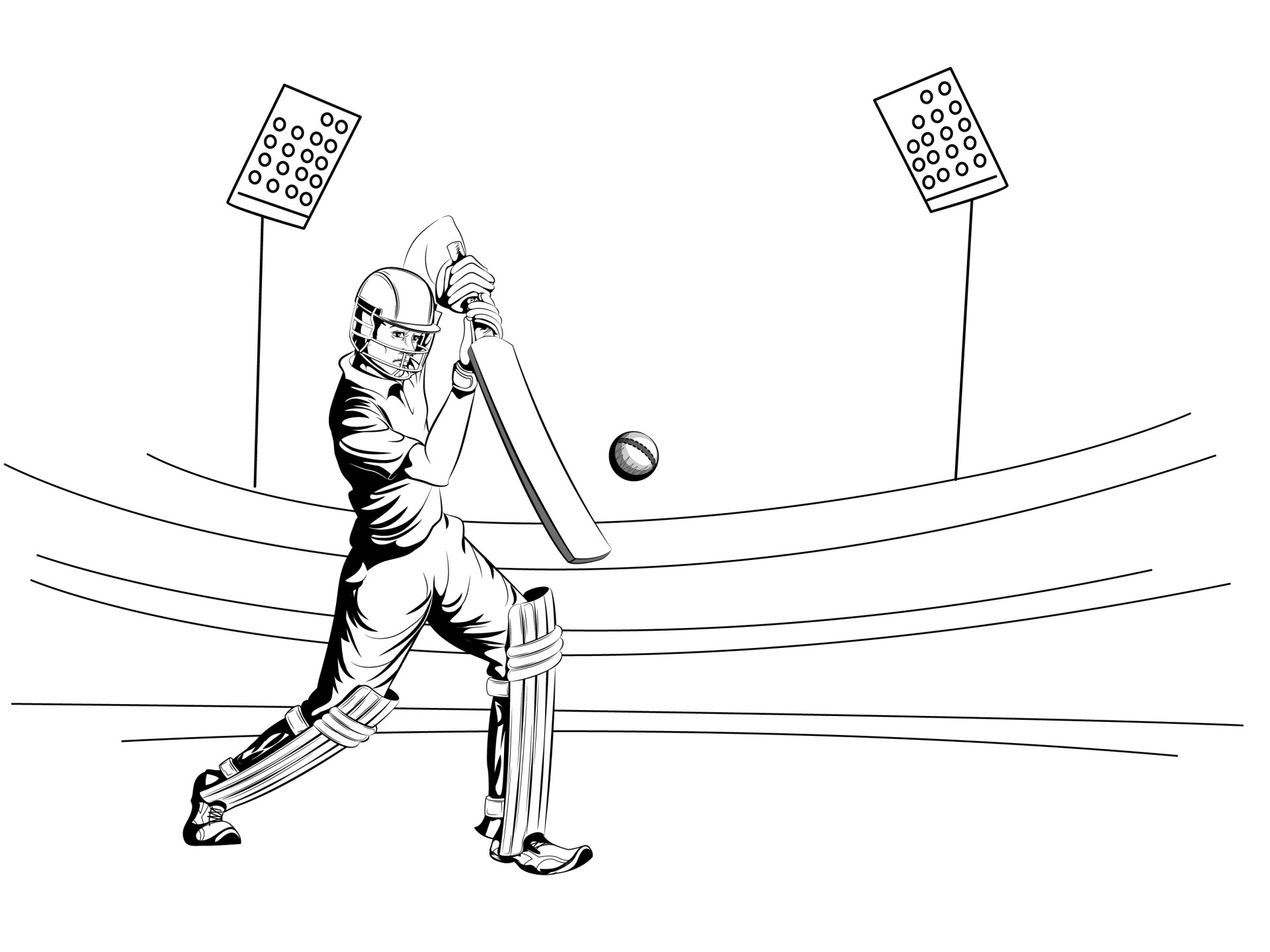
Here’s a rewritten version of the article in a neutral newsroom style:
The ICC Men’s T20 World Cup will take place in India and Sri Lanka from February 7 to March 8, 2026. Twenty teams will compete in 55 matches for the championship title.
Cricket is a bat-and-ball sport played between two teams with 11 players each. The game consists of two innings, with the first team batting while the other team bowls and fields. The objective is for the batting team to score as many runs as possible within the allotted time, while the bowling team aims to prevent them from scoring.
In the second innings, the bowling team gets a turn to bat and try to score more runs than their opposition. The team with the highest number of runs at the end of the day wins the game.
There are three formats in cricket: T20, One Day International (ODI), and Test matches. Each format has its own set of rules and duration. In a T20 match, each team is given 20 overs to score the most number of runs. A One Day International match typically lasts about seven to eight hours, with each team given 300 deliveries divided into 50 overs. A Test match is played over a maximum of five days, with each day having at least 90 overs.
The game is played on an oval-shaped field, approximately 150 metres in diameter, surrounded by a boundary rope. The pitch is a rectangular area about 20 metres long and 3 metres wide, where most of the action takes place. The wickets or stumps are three wooden sticks with two bails atop them, located at each end of the pitch.
The batting team has two players on the field, one at each end of the pitch, who take turns hitting the ball from the bowler. The bowling team has 11 players scattered throughout the field to minimize runs scored by their opponents. Batters aim to score as many runs as possible by hitting the ball in gaps between fielders or over the boundary rope.
Common terms and phrases used in cricket include “over,” which consists of six deliveries by the bowler, and “run out,” where a batter is dismissed if they are hit by the ball while trying to run. The umpire signals runs scored when the ball reaches the boundary rope, with four runs awarded for hits along the ground and six runs for direct hits over the boundary.
Key positions in cricket include the wicketkeeper, who stands behind the stumps, and the bowlers, who deliver the ball towards the batter.
Source: Al Jazeera