Climate Migrants in Zimbabwe Face Eviction Amid Intensified Crackdown Efforts
June 15, 2026 • Al Jazeera
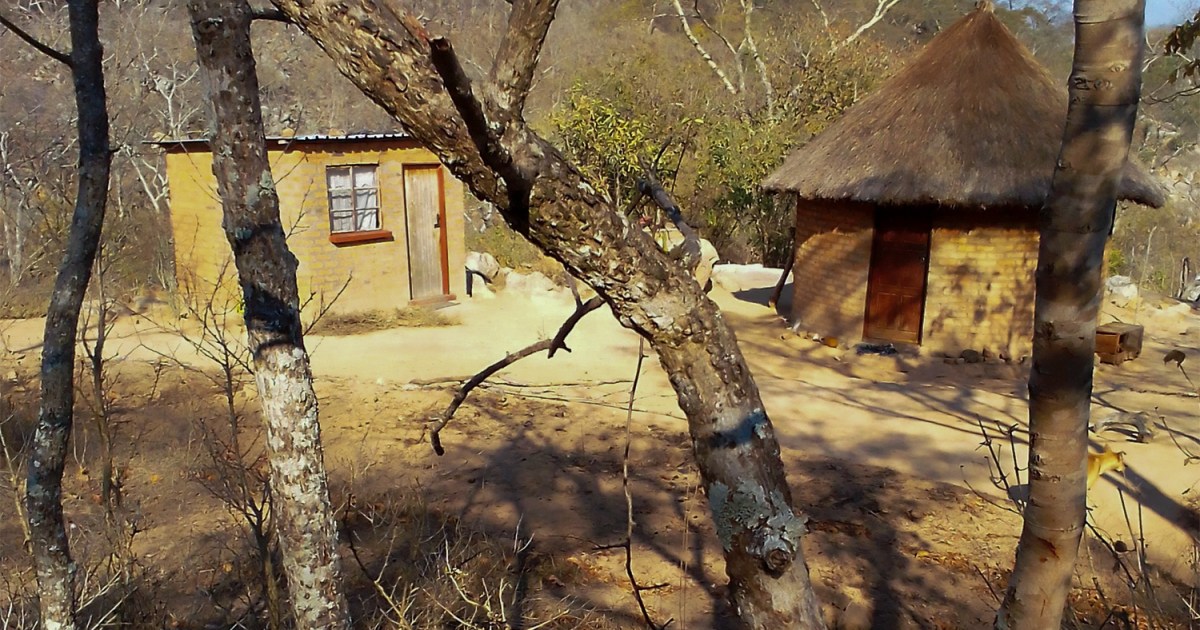
Here is the rewritten article in a neutral newsroom style:
Zimbabwe’s Eastern Highlands Attract Migrants Seeking Fertile Land
Many people have settled in Zimbabwe’s Eastern Highlands, a region known for its fertile soil and reliable rainfall. The area has become a destination for those fleeing drought-stricken parts of the country. According to Lloyd Gweshengwe, a migrant living in the region, he arrived 18 years ago and has been living there ever since.
The Eastern Highlands stretch approximately 320 km along the Zimbabwe-Mozambique border and are characterized by rich soils, perennial rivers, and abundant rainfall. This has made it an attractive location for thousands of people seeking arable land due to increasingly harsh climatic conditions in other parts of the country.
This farming season brought Gweshengwe hope as he harvested a good maize crop. However, his sense of food security may be short-lived. Zimbabwe’s Minister of State for Manicaland Provincial Affairs and Devolution, Misheck Mugadza, recently announced a tougher stance on illegal settlements in the region.
Mugadza directed the Zimbabwe Republic Police and the National Prosecuting Authority to intensify arrests and prosecutions of individuals involved in unlawful land allocations. He emphasized the need to enforce Environmental Impact Assessment requirements and environmental protection laws in ecologically sensitive areas.
The government claims this exercise is necessary to restore order in land administration, curb corruption, and protect the environment from degradation caused by unplanned settlements. However, many families facing possible eviction say their relocation was driven by worsening climate conditions that have made farming increasingly difficult.
Independent researcher Trymore Maganga noted that illegal settlements in the Eastern Highlands have become a coping strategy for households affected by climate change. Human rights lawyer Blessing Nyamaropa stated that Zimbabwe lacks a policy framework specifically addressing climate-induced displacement and migration.
Source: Al Jazeera