Ceasefire agreements hold in Gaza, Lebanon, and Iran despite ongoing strikes
June 5, 2026 • Al Jazeera
Ceasefires in Conflict Zones: Enforcement and Consequences
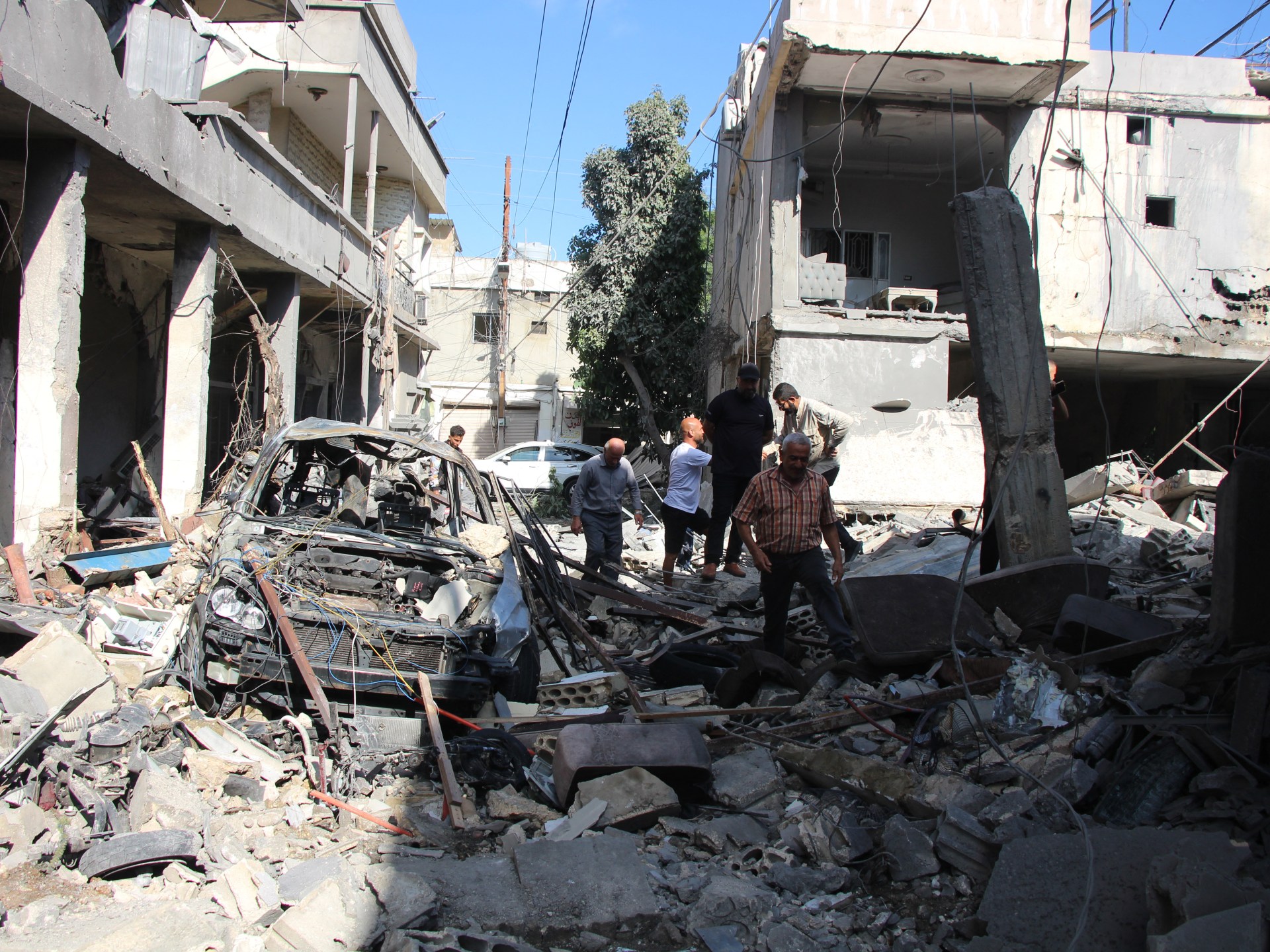
A series of ceasefires has been announced in various conflict zones, including between Israel and Lebanon, Iran and the US, and Israel and Hamas in Gaza. Despite these agreements, fighting continues in some areas.
According to international law, a ceasefire is defined as a pause in hostilities designed to create space for negotiations. However, experts note that ceasefires are often fundamentally political agreements rather than strongly enforceable legal instruments.
Mark Kersten, assistant professor of criminal justice and criminology at the University of the Fraser Valley, explains that ceasefires are typically understood to be temporary and not permanent. Michael Lynk, an emeritus professor at Western University in Canada, adds that ceasefires can be breached with few immediate legal consequences, particularly in Gaza and Lebanon.
Toby Cadman, a British international human rights lawyer, notes that ceasefires are inherently fragile and do not resolve the underlying conflict or end the state of war. He emphasizes that states must have political will to enforce them.
International law provides some framework for enforcing ceasefires, including UN Security Council Resolution 2803, which calls for the implementation of peace agreements in good faith and without delay. However, the US veto on the Security Council means that neither Israel nor the US can realistically be censured for violating these agreements.
In practice, violations of ceasefires often go unaddressed due to a lack of political will to enforce them. Experts agree that ceasefires are ultimately dependent on political will and cooperation from all parties involved.
Source: Al Jazeera