Afghanistans Non-Profit Sector Under Scrutiny Over Alleged Corruption and Mismanagement
June 6, 2026 • Al Jazeera
NGO Operations in Afghanistan Face Funding Challenges and Efficiency Concerns
A recent visit to Daikundi province in central Afghanistan revealed the struggles faced by non-governmental organizations (NGOs) operating in the agriculture sector. A Kabul-based journalist accompanied a friend on a trip to assess the impact of an NGO project that provided zero-energy storage houses for farmers.
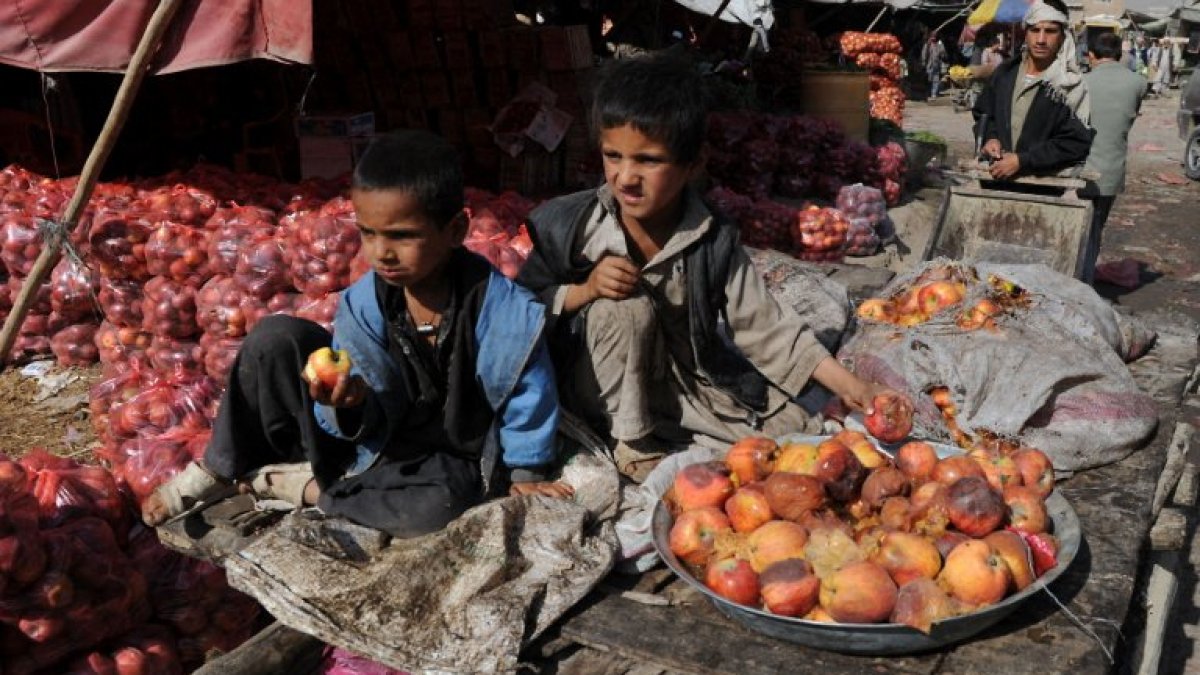
The project aimed to preserve harvests, such as fruit and vegetables, in rural areas. However, upon arrival at the villages, the journalists observed that the storage houses were often insufficient for the local population. In one village, they found that the facilities could only accommodate apples from two to three families.
Another NGO’s project, which distributed imported seeds among farmers, also faced criticism. Despite significant investment of time, energy, land, and water by local participants, the harvest yielded poor-quality vegetables with limited quantities for each family.
These instances are not isolated, as similar stories are common across rural communities in Afghanistan. Many beneficiaries of aid projects report little benefit from poorly designed initiatives that fail to address real challenges.
The funding landscape for NGOs has changed significantly since the US-led coalition withdrew from Afghanistan and the Taliban took over Kabul. While this shift has led to a dramatic collapse in humanitarian aid and funding, it has not resulted in improved efficiency, accountability, or transparency among operating NGOs.
Historically, Afghanistan has struggled with corruption, embezzlement, and waste of foreign aid. According to the Special Inspector General for Afghanistan Reconstruction (SIGAR), between $26 billion and $29 billion was lost due to embezzlement or wasteful spending on US-funded projects. The extent of waste from other donors is unknown.
The development sector globally has faced similar issues with inefficiency and waste. In Afghanistan, this is exacerbated by the lack of control and difficulty in conducting ground-level work. Many foreign NGOs rely on implementing partners (IPs), which often outsource implementation to subcontractors, leading to a lack of quality control and supervision.
As a result, project proposals may be presented that appear promising but do not necessarily deliver results. The primary concern of IPs is securing funding, which can lead to lower-quality work in order to increase profit.
Source: Al Jazeera